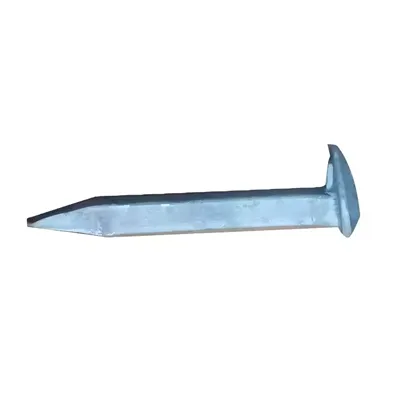
A rail fish plate is a structural connector whose role is to stabilize rail ends against vertical deflection, lateral movement, and rotational displacement at mechanical joints. It protects rail ends from accelerated fatigue damage. GNEE RAIL manufactures fish plates covering GB 8–60 kg/m, UIC50–UIC60, DIN536 crane rails, QU crane rails, JIS rail profiles, AS1085 rails, BS11 standards, and AREMA/ASCE specifications, with quality inspection before shipment.
Types of Rail Fish Plate
Rail fish plates (joint bars) connect rail ends to maintain track continuity and are classified by function, rail weight, and bolt configuration. Key types include Standard (4/6 hole), Insulated (for signal circuits), Compromise (connecting different rail sizes), and Joggled (for damaged rails), often made from steel, or insulated materials.

| Classification Category | Type of Rail Joint | Core Definition / Key Characteristics |
| By Position on Track | Square Joint | Joints on parallel rails are aligned opposite each other. Common on straight tracks; simple but causes more impact. |
| Staggered Joint | Joints on one rail are opposite the mid-point of the adjacent rail. Primarily used on curves to reduce forces and improve ride quality. | |
| By Position of Sleepers | Supported Joint | Rail ends rest directly on a single "joint sleeper". Minimizes deflection but creates a rigid, high-maintenance point. |
| Suspended Joint | Rail ends are located between two sleepers. The most common type; offers flexibility but requires more frequent maintenance. | |
| Bridge Joint | Similar to suspended, but uses a metal bridge plate to connect rails on either side of the joint. Not widely used. | |
| By Performance & Application | Ordinary (Bolted) Joint | Standard connection using fishplates and bolts. Cost-effective, allows for thermal expansion. |
| Compromise Joint | Connects two rails of different sizes/profiles. Uses specially shaped fishplates to ensure a smooth transition. | |
| Conductive Joint | Ensures electrical continuity between rail sections for traction current and signaling, using conductive materials. | |
| Insulated Joint (IRJ) | Electrically isolates rail sections for signaling systems. Uses insulating materials between rails and plates. | |
| Welded Joint | Rail ends are fused together (e.g., thermite welding). Creates Continuous Welded Rail (CWR) for a smoother, stronger track. | |
| Frozen Joint | A defective condition where tight or corroded fishplates prevent thermal expansion/contraction, leading to high stress. | |
| Expansion Joint (REJ) | Allows controlled longitudinal rail movement (e.g., on bridges) to prevent buckling or breakage due to temperature changes. |
What materials are used in insulation joints?
Rail insulation joints use a combination of materials to provide electrical insulation while maintaining structural strength, primarily utilizing high-strength steel for the joint bars, and insulating materials such as fiberglass, epoxy, polyurethane, and specialized engineering plastics for insulators and adhesive.
Key Materials Used in Rail Insulation Joints:
Insulating Materials (Structural and Electrical):
- Fiberglass/Glass Reinforced Plastic (FRP): Commonly used for fishplates or joint bars due to high strength.
- Polyurethane: Often used as a coating or insulating component for its resistance to weathering, UV, and wear.

- Epoxy Resin/High-Polymer Adhesive: Used in glued insulated joints to create a strong, sealed connection.
- Nylon/Engineering Plastics: Used for insulating end posts (between rail ends), bushes, and washers to prevent electrical conductivity.
Structural Materials:
- Hardened Steel: Used for rail sections and often as a core in insulated joint bars to bear heavy traffic loads.
Other Materials:
- Laminated Hardwood: Used in certain non-glued or older joint designs.
These materials are typically used together in Glued Insulated Rail Joints (GIRJs) for maximum durability in railway track circuits.
What are the advantages of using rail insulation joints?
Insulated rail joints (IRJs) provide crucial electrical isolation for railway signaling and train detection systems, enhancing safety by creating distinct block sections. They offer high mechanical strength, reduce maintenance costs, and increase riding comfort, with modern composite designs ensuring durability against harsh environments, corrosion, and wear in both conventional and continuous welded rails.
Key advantages include:
- Signaling and Safety: They prevent electrical current from flowing between adjoining rails, which is essential for accurate track vacancy detection.
- Durability and Strength: Modern composite and glued joints are designed to withstand high fatigue, vertical loads, and environmental stressors like UV radiation and moisture.

- Reduced Maintenance: High-quality joints, especially factory-manufactured glued, require minimal maintenance and offer long life cycles, decreasing operational costs.
- Reduced Wear and Noise: Improved design minimizes damage, reduces noise pollution, and provides better ride quality.
- Versatility: They are suitable for various rail profiles and can be used in diverse climate conditions.
These joints are critical for modern, safe, and efficient rail transportation.
Founded in 2008, GNEE RAIL is a leading global manufacturer and supplier of railway components, specializing in high-quality rail fish plates (joint bars/splice bars) with strong production capacity and global service capabilities.
Our rail fish plate portfolio is comprehensive and compliant with international standards including UIC, AREMA, BS, DIN, and GB, covering light rail (8kg-30kg), heavy rail (38kg-75kg), and crane rail (QU70-QU120) systems. We offer diverse types such as insulated joint bars, bulged fish plates, and compromise rail joints,with precise specifications (4-hole/6-hole, 24-inch/36-inch), ensuring excellent mechanical performance.We uphold strict quality control supported by ISO 9001:2015 certification, an in-house inspection center, and third-party audits by SGS and BV. Our one-stop service includes customization, production, packaging, and after-sales support, tailored to clients' project needs.
Click here to obtain the detailed product catalog of GNEE RAIL.