

Rail Fasteners
Precision-Engineered Rail Fastening Solutions
GNEE RAIL focuses on the rigorous production of railway fastening systems that meet international standards including AREMA, UIC, DIN, and BS. ensuring track integrity and safety for heavy-haul, high-speed, and urban transit networks worldwide.
As a technical manufacturing leader, we provide integrated solutions from raw material selection to final surface treatment, ensuring every component performs under the most demanding rail environments.
🛡️ Stability & Safety: Fixed rails firmly to prevent displacement and derailment risks.
🏗️ Load-Bearing Power: Designed for high-tonnage freight and high-speed passenger lines.
🔬 Corrosion Resistance: 120h+ Salt Spray Test certified surface coatings (Dacromet/Zinc).
⚙️ Dimensional Accuracy: Precise gauge control to minimize rail and wheel wear.
💰 Long-Term Value: Reduced maintenance intervals through superior material fatigue life.


What are rail fasteners?
Rail fasteners, or rail fastening,rail fixing, are components used to secure steel rails to railroad ties (sleepers) or baseplates, ensuring track stability, maintaining gauge, and managing the forces exerted by passing trains. They play a critical role in safety and performance by preventing lateral and longitudinal movement of the rails.
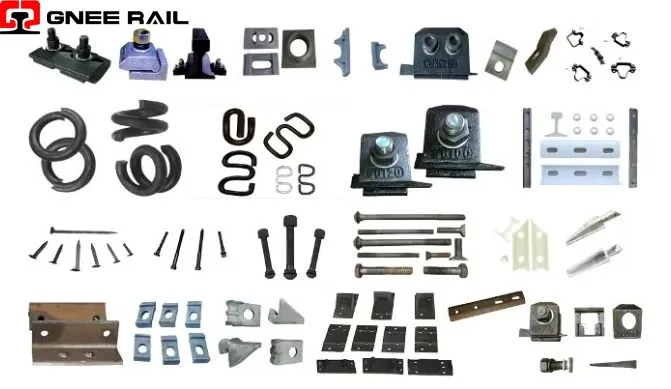
GNEE RAIL's rail fasteners are engineered for superior clamping force and vibration resistance, ensuring long-term track stability. Their high-strength materials and precision manufacturing minimize maintenance requirements while maximizing service life. Additionally, GNEE RAIL offers customizable rail fixing that deliver reliable performance under heavy loads and harsh environmental conditions.
Explore GNEE's Comprehensive Range of Rail Fasteners
Rail fasteners are essential components that secure rails to sleepers, maintaining gauge and absorbing shock to ensure safety and stability. Key types include elastic rail clips (e-type, SKL, Nabla), rail spikes (dog, screw), fastening clamps (KPO), baseplates,etc, which are chosen based on sleeper type and track speed.
1. Rail Clips
Rail Clips (also known as elastic rail clips or tension clamps) are the high-strength spring steel components used to "clamp" the rail foot down to the underlying base plate or sleeper. They are the most critical part of a modern fastening assembly, as they provide the constant vertical pressure (toe load) required to keep the rail from moving, tilting, or "creeping" due to temperature changes and the immense weight of passing trains.
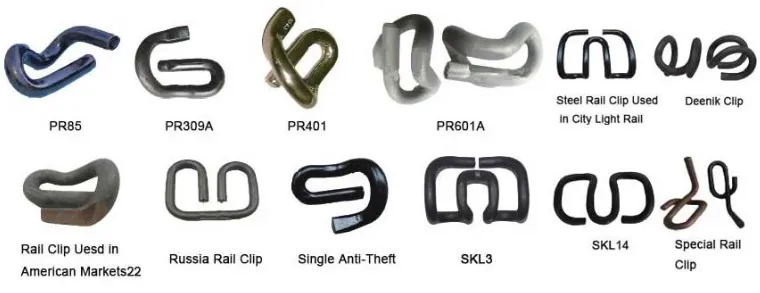
- E-Clips (Pandrol style): A boltless, self-tensioning fastener shaped like a "rolled" spring. They are driven in with a hammer and provide high resistance to rail creep.
- SKL Clips (Vossloh style): Common in Europe and high-speed lines. These are tension clamps secured by a screw spike into a plastic dowel in the sleeper.
- Fastclips: A pre-assembled system that allows for automated track installation, significantly reducing labor costs.
- E Type Rail Clip:
E-type rail clips are spring-loaded, elastic fastening devices used to secure steel rails to sleepers (ties), providing durable,, maintenance-free, and high-strength clamping force to maintain track gauge and absorb vibrations. Widely used worldwide in both concrete and wooden sleeper systems, they are typically manufactured from high-quality hot-pressed spring steel, such as 60Si2MnA or 55Si2Mn, with diameters ranging from 18mm to 23mm.

| Model | Diameter | Material | Under Pressure | HRC | Weight |
| E1609 | Ø 16mm | 60Si2MnA | ≥950kg | 44-48 | 0.43kg/pc |
| E1809 | Ø 20mm | 60Si2MnA | ≥950kg | 44-48 | 0.61kg/pc |
| E1813 | Ø 18mm | 60Si2MnA | ≥950kg | 44-48 | 0.62kg/pc |
| E2001 | Ø 20mm | 60Si2MnA | ≥950kg | 44-48 | 0.80kg/pc |
| E2009 | Ø 20mm | 60Si2MnA | ≥950kg | 44-48 | 0.80kg/pc |
| E2039 | Ø 20mm | 60Si2MnA | ≥950kg | 44-48 | 0.80kg/pc |
| E2007 | Ø 20mm | 60Si2MnA | ≥950kg | 44-48 | 0.80kg/pc |
| E2055 | Ø 20mm | 60Si2MnA | ≥950kg | 44-48 | 0.80kg/pc |
| E2056 | Ø 20mm | 60Si2MnA | ≥950kg | 44-48 | 0.80kg/pc |
| E2063 | Ø 20mm | 60Si2MnA | ≥950kg | 44-48 | 0.80kg/pc |
- SKL Rail Clip
SKL rail clips are high-elasticity, W-shaped elastic rail fasteners (tension clamps) primarily used in railway fastening systems to secure rails to concrete or wooden sleepers. Developed in Germany, they provide reliable tension and fatigue resistance, with common types including SKL1, SKL3, SKL12, and SKL14.
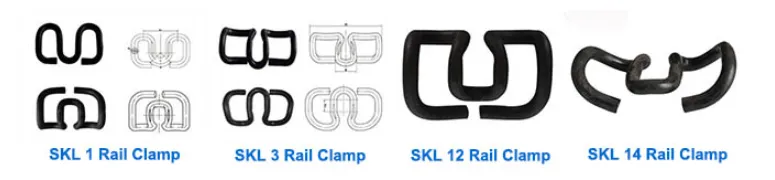
| Model | SKL 1 Rail Clamp | SKL 3 Rail Clamp | SKL 12 Rail Clamp | SKL 14 Rail Clamp |
|---|---|---|---|---|
| Spec. | ø13 | ø13 | ø13 | ø14 |
| Hardness | 42-47HRC | 42-47HRC | 42-47HRC | 42-47HRC |
- PR Series Clips
PR Series clips are specialized, heavy-duty elastic rail fasteners designed to secure rails to sleepers, often used in railway infrastructure to maintain track gauge and stability. These components are essential for rail fastening systems, frequently utilized alongside Pandrol-style assemblies for durable, anti-vandal, or standard track applications.

|
Model |
PR85 Rail Clips |
PR309A Rail Clip |
PR401 Rail Clip |
PR415 Rail Clips |
PR601A Clip Rail |
|
Spec. |
ø13 |
ø19 |
ø20 |
ø20 |
ø22 |
| Hardness |
44-48HRC |
44-48HRC |
44-48HRC |
44-48HRC |
44-48HRC |
2. Rail Spikes
Used primarily with wooden sleepers, spikes are the oldest form of fastening technology but remain standard in many parts of North America and for industrial light rail.
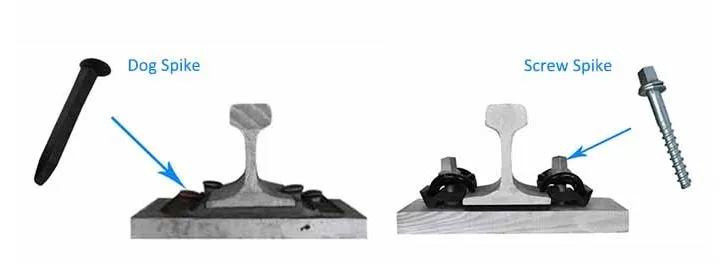
- Dog Spikes: Named for the two lugs on either side of the head that resemble a dog's ears. They are driven into the sleeper to hold the rail flange down. They are cheap but prone to loosening over time.
- Screw Spikes: These feature a threaded shank. They provide much higher clamping force and lateral stability than dog spikes and are often used in high-stress areas like curves or switches.
3. Rail Tie Plates (Base Plates)
The tie plate is a heavy steel plate placed between the rail foot and the sleeper.
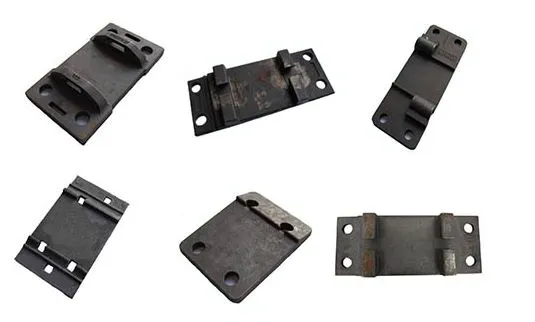
- Function: It distributes the load over a larger area to prevent the rail from crushing the sleeper and helps maintain the "cant" (the inward tilt of the rail).
- Single Shoulder Tie Plates: Often used on the field side to hold rails.
- Double Shoulder Tie Plates: The standard for modern rail, providing superior support.
4. Rail Fishplates
Rail fishplates (also known as rail joints, splice bars, or joint bars) are metal, carbon steel, or high-strength alloy bars bolted to the sides of two rail ends to join them securely, maintaining alignment and structural integrity.
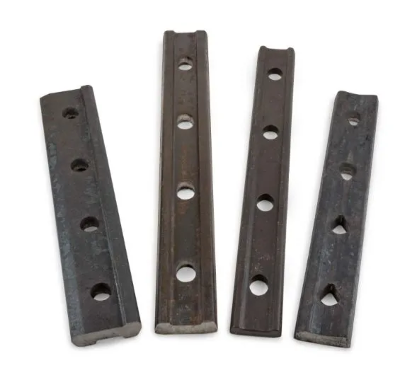
- Standard Rail Joints: Used for regular rail track connections.
- Insulated Rail Joints: Employed in areas requiring electrical insulation, such as near signals or in.
- Compromise Joints: Used to connect two rail tracks of different sections or sizes.
- Joggled Fishplates: Utilized as temporary, emergency repairs for broken or fractured welded rails.
5. Rail Pads
Rail pads are elastic, shock-absorbing mats (made of rubber or polyurethane) positioned between rail tracks and sleepers to reduce vibration, dampen noise, and protect infrastructure. They distribute loads, prevent abrasion, and enhance track longevity and passenger comfort.
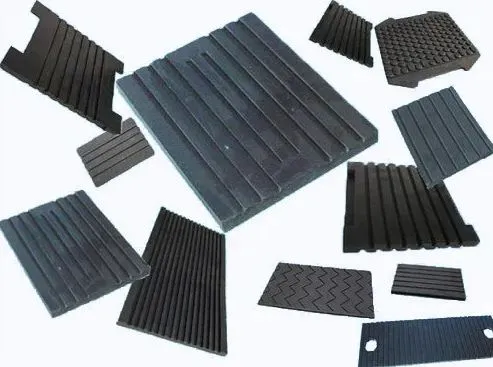
- Rubber pads: Generally offer good, consistent elasticity.
- EVA/HDPE pads: Often used for specialized fastening systems.
- Grooved Rubber Pads: Designed with, often with, low initial stiffness to maintain contact with the rail, increasing stiffness under higher loads.
6.Rail Anchors (Anti-Creepers)
Rail anchors, also known as anti-creepers, are hardened spring steel clips that fasten to the base of a railway rail and bear against sleepers to prevent longitudinal movement (or "creep") caused by traffic, temperature changes, and vibration. They act as a critical fastener to secure rail alignment, prevent uneven rail gaps, and reduce stress on rail infrastructure.
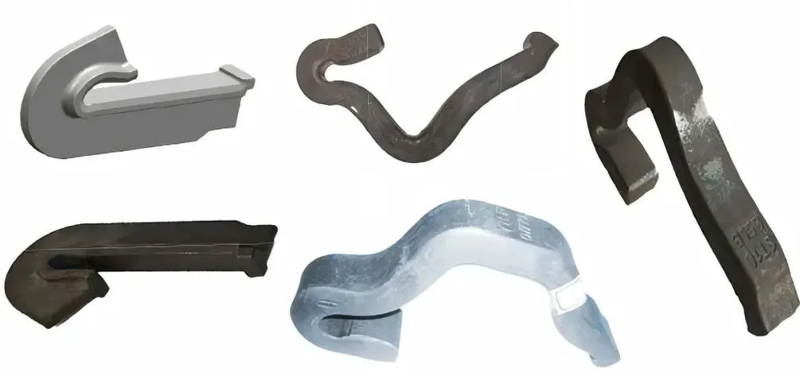
- Drive-on Anchors (Heavy-Duty): These are heavy-duty, one-piece steel components designed to be hammered onto the rail base, widely used for their durability in high-traffic areas.
- Spring-Type Anchors: These are fashioned from heat-treated steel, designed to provide a spring-like action that maintains a tight grip on the rail base, allowing for easy removal and reapplication.
- V-Shaped/T-Shaped Anchors: Refer to the profile shape of the anchor, commonly used to fit specific rail types such as 50kg, 85kg, 90/91LB, 115RE, UIC54, and UIC60.
- Improved Fair Anchors: A specific, common design of spring-type anchors used to withstand high longitudinal forces.
- Russian Market Anchors: Specialized high-grade ductile iron castings, often used to meet specific standards like GOST 7293-85.
7. Rail Bolts
Railroad BoltRail bolts (or track bolts) are specialized, high-strength fasteners used to securely join rail ends together at joints, or to attach steel rails to sleepers/ties. Engineered to withstand heavy train loads, vibrations, and harsh environments, they typically include a bolt shank, nut, and washer, often utilizing an oval neck to prevent turning during installation.
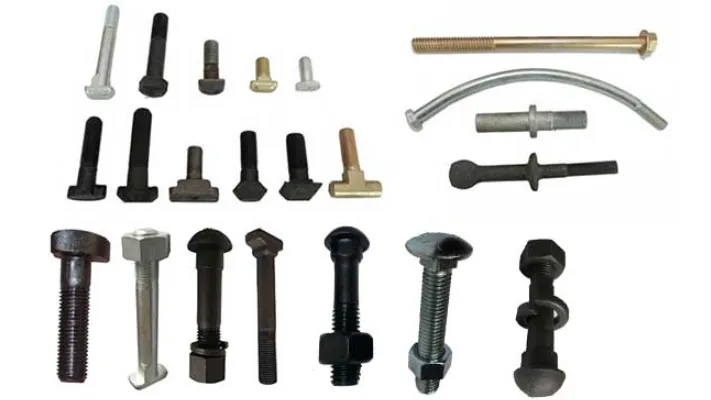
Fish Bolts (Joint Bolts): Specifically used with joint bars (fish plates) to connect two rail ends.
- Button Head Oval Neck Bolt: Commonly used with American Railway Engineering and Maintenance-of-Way Association (AREMA) specifications.
- Diamond Neck Bolt: Similar to oval neck but with a diamond-shaped neck to prevent turning during tightening.
- Rail Bolt NF F50-008: A specific French standard for fish bolts.
Track Bolts:
- T-Head Bolt (T-bolt): Often used in fastening systems to secure rail clips, such as the DT-III-2 or WJ-7 systems.
- Anchor Bolt: Used to fasten rail baseplates to concrete or wooden sleepers.
- Hexagon/Square Head Bolt: Frequently used in turnout equipment and for fastening crane rails.
Specialized Rail Bolts:
- Hook Bolts: Used for attaching rail directly to steel sleepers or girders.
- Tunnel Bolts: Specialized for subway or tunnel railway applications.
- Insulated Rail Joints Bolts: Used with insulated kits for signaling systems.
- Clip Bolt (Clamp Bolt): Used for holding elastic rail clips (e.g., SKL, KPO).
What is the purpose of rail fixing?
Rail fixing (also known as rail fastening) is the mechanical system that secures steel rails to the sleepers (ties) or the foundation. Without a robust fixing system, a railway would be nothing more than two loose bars of steel that would buckle or spread under the first signs of weight or temperature change.
The primary purposes of rail fixing are outlined below:
1. Maintaining Track Geometry
The most critical function of rail fixing is to ensure the gauge (the distance between the two rails) remains constant.
Lateral Stability: As a train passes, it exerts massive outward pressure. Fasteners prevent the rails from "spreading," which is the leading cause of derailments.
Vertical Alignment: Fasteners keep the rail seated firmly against the sleeper, preventing the rail from "bouncing" or tilting.
2. Load Distribution
Steel rails support immense weight on a very small contact patch (the wheel-rail interface).
Transferring Force: Fasteners, combined with tie plates, transfer the vertical and longitudinal loads from the rail to the sleepers and eventually down into the ballast and subgrade.
Pressure Reduction: By securing the rail tightly to the sleeper, the fastening system ensures the load is distributed across multiple sleepers rather than concentrated on a single point.
3. Controlling Rail Creep
Railways are dynamic; rails tend to move longitudinally due to:
Thermal Expansion: Steel expands in heat and contracts in cold.
Mechanical Force: The braking and acceleration of heavy locomotives push the rails forward or backward.
Fixing systems (especially rail anchors and high-tension elastic clips) provide the "clamping force" necessary to resist this movement, which could otherwise cause the track to buckle or "sun kink."
4. Vibration Damping and Insulation
Modern rail fixing isn't just about rigid connection; it’s about controlled flexibility.
Shock Absorption: Components like rail pads (placed under the rail foot) act as a cushion. This protects the concrete sleepers from cracking and reduces the noise and vibration transmitted to the surrounding environment.
Electrical Insulation: In many systems, the rails carry electrical currents for signaling and train detection. Fasteners often include plastic insulators to prevent the current from leaking into the ground or causing short circuits.
5. Preventing Rail Overturn
When a train rounds a curve, centrifugal force tries to tip the rail over on its side. Rail fasteners provide the "clamping moment" required to hold the outer edge of the rail foot down, ensuring the rail stays upright under high lateral stress.
What are the Applications of Rail Fasteners?
Rail fasteners are essential components used to secure rails to sleepers or ties, ensuring track stability, gauge retention, and safety across various railway applications. They prevent vertical, lateral, and longitudinal movement of rails, offering essential cushioning and vibration damping for both traditional and high-speed rail lines.
Key Applications of Rail Fasteners:
- High-Speed Railway Lines: Specialized fastening systems like the Chinese WJ-8 are designed for high speed and durability, requiring low rigidity and high stability.
- Heavy-Haul Railways & Mining Tracks: Robust fasteners (e.g., KPO clamps) manage high dynamic loads and stress from heavy traffic.
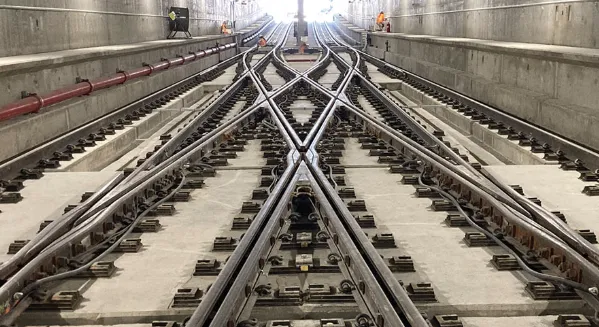
- Urban Transit & Metro Systems: Used for secure rail fixing in subway, light rail, and tram systems.
- Ballastless Tracks: Essential for modern tracks that require high precision and stability without the need for traditional gravel ballast.
- Turnouts & Special Track Work: Used in complex areas like switches and crossings to ensure proper gauge alignment.
- Bridge & Tunnel Construction: Applied in specialized structural environments where vibration control and structural integrity are paramount.
- Maintenance & Construction: Used in new railway construction, track rehabilitation, and ongoing infrastructure maintenance projects.
Why choose GNEE RAIL?
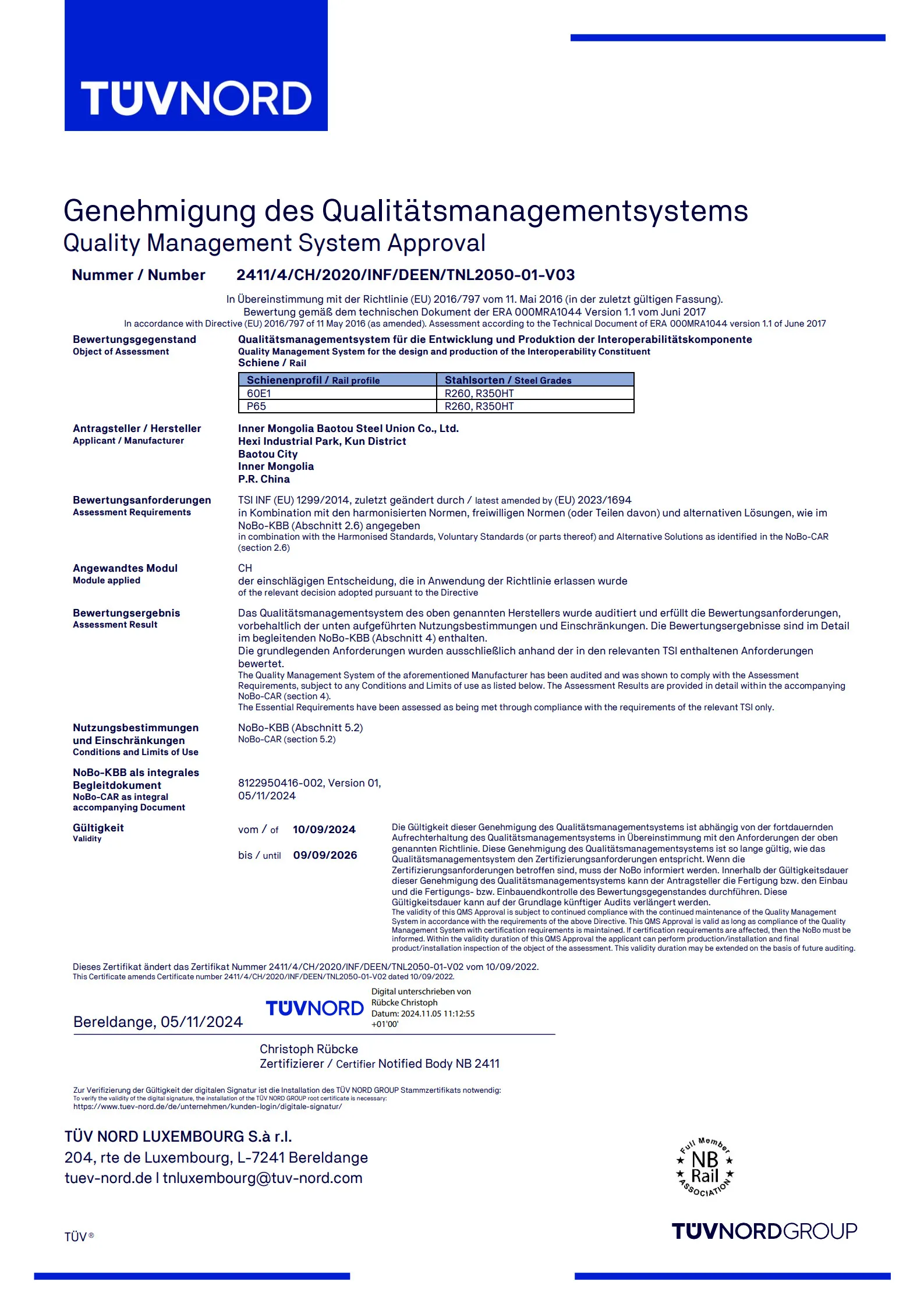
At GNEE RAIL, we don’t just supply rail fasteners; we provide reliable infrastructure solutions that keep the world moving. With over 18 years of industry experience, we are the trusted partner for railway projects worldwide.
🛡️ Certified Quality & Compliance:
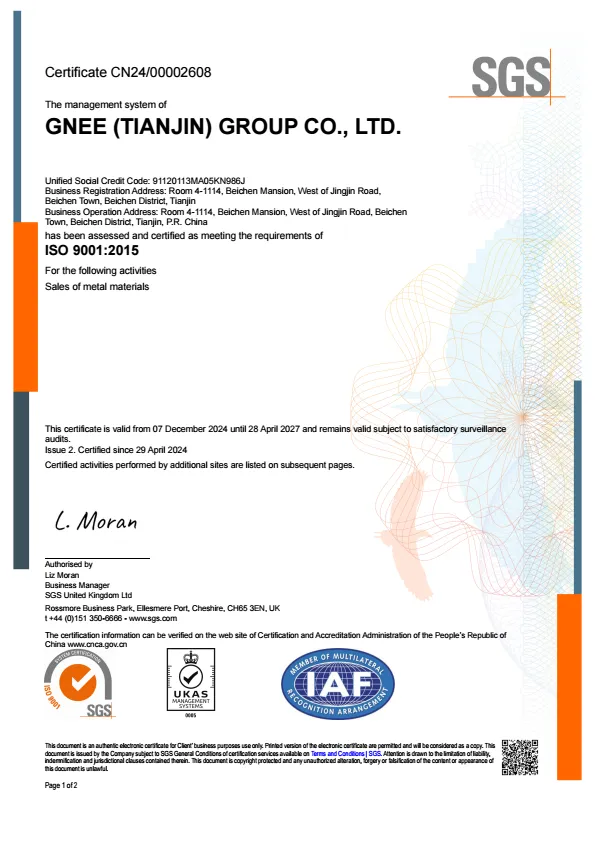
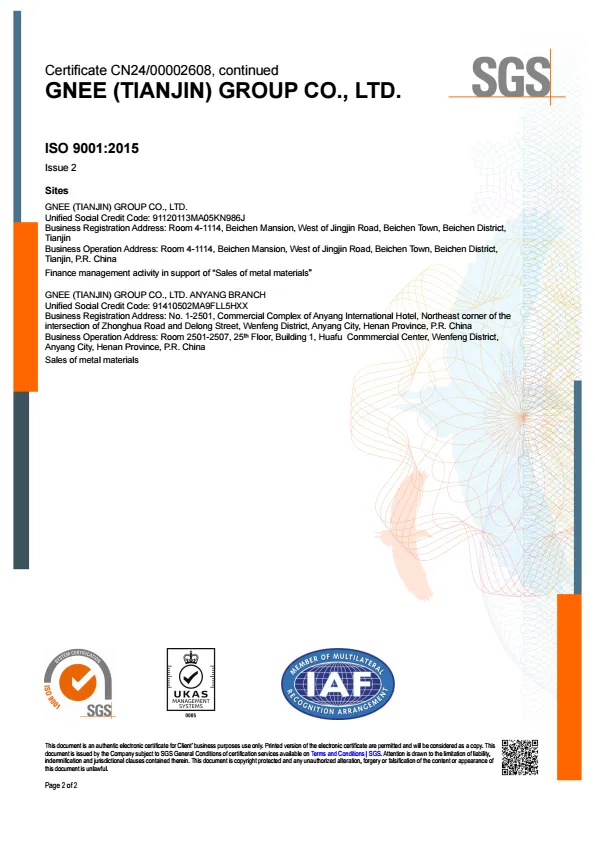
We prioritize safety above all else. Our products are rigorously inspected and certified by internationally recognized bodies, including SGS and TSI. These certifications guarantee that our rail fasteners meet the highest global quality and safety standards for your rail network.
🏭 Advanced Manufacturing Excellence:
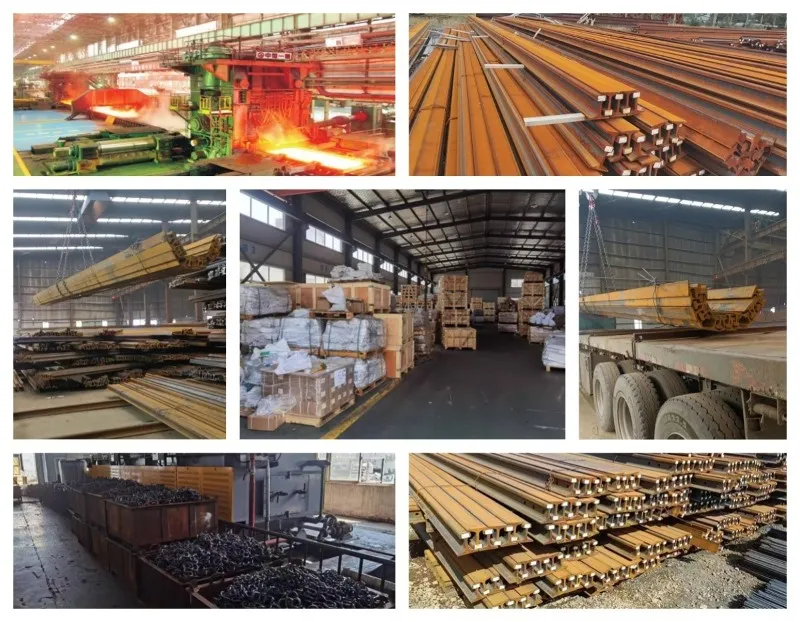
Our production facilities utilize state-of-the-art automated machinery. We adhere to strict ISO 9001 management systems, ensuring that every batch of products maintains consistent quality, durability, and precise specifications.
📦 Massive Inventory for Immediate Dispatch:
We maintain a large, well-organized warehouse with a consistent supply of standard rail fasteners in stock. This allows us to process orders and arrange shipments quickly, reducing wait times for your project.
🛠️ Tailor-Made Engineering Solutions:
Beyond standard parts, we offer tailor-made solutions. Whether you require specific material grades or custom designs based on your technical drawings, our engineering team works closely with you to meet precise project requirements.
🚚 Global Logistics & Reliable Delivery:
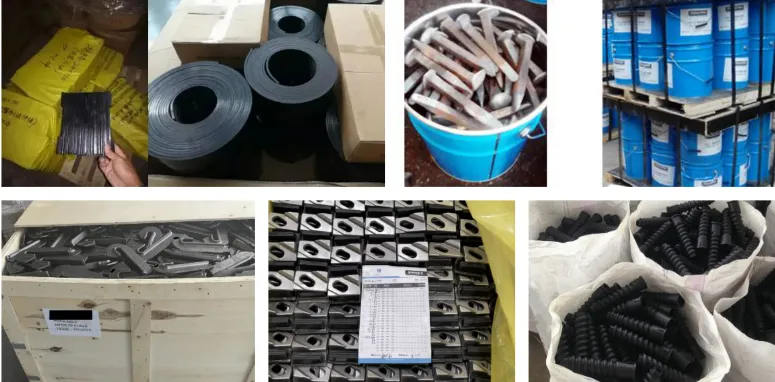
We manage the complexities of international trade. From professional packaging that prevents corrosion during transit to efficient customs handling and global shipping, we ensure your goods arrive safely and on time, anywhere in the world.
🤝 Full-Lifecycle Technical Support:
We stand behind our products. Beyond delivery, we offer comprehensive technical consultation, installation guidance, and rapid-response support to ensure your long-term success.
FAQ
- What are rail fasteners?
Rail fasteners (or fastening systems) are crucial hardware components used to secure railroad tracks to ties or sleepers. They maintain the exact track gauge, transfer train loads to the foundation, and absorb the vibrations and lateral steering forces of passing trains.
- What are the 4 types of flat bottom rail fastening?
Flat bottom rail fastening systems are categorized into four distinct types based on their anchoring mechanisms and flexibility: Direct Rigid, Indirect Rigid, Direct Elastic, and Indirect Elastic. Rigid systems utilize stiff spikes or clamps that lack dynamic vibration absorption, while elastic systems incorporate resilient spring clips and rubber pads to effectively dampen impact loads. Furthermore, direct configurations clamp the rail foot straight to the sleeper, whereas indirect systems employ an intermediate steel base plate to optimize gauge retention and load distribution.
- What is the function of railway fasteners?
Railway fasteners act as the critical intermediate connection between steel rails and sleepers (or track beds). They ensure track stability by securing the rails against lateral and longitudinal movement, maintaining the exact distance between tracks (gauge), and absorbing dynamic forces to ensure passenger safety.
- Which specific rail standards (e.g., AREMA, UIC, BS, DIN) are these fasteners compatible with?
Since 2008, GNEE RAIL has manufactured fasteners fully compliant with major international standards including AREMA, UIC/EN, BS, DIN, JIS, and AS. Our production lines are calibrated to match your specific national or regional railway profiles with precise geometric compatibility.
- Can these fasteners fit both concrete sleepers and steel ties?
Yes, we supply engineered fastening assemblies optimized for all tie types. We manufacture SKL/E-clip systems with plastic dowels and rubber pads for concrete sleepers, as well as specialized tie plates, track bolts, and rail spikes designed for steel ties and timber sleepers.
- What surface treatment options (e.g., HDG, zinc plating, powder coating) do you offer?
We offer a full range of industrial anti-corrosion finishes including Hot-Dip Galvanizing (HDG) for coastal tracks, zinc plating, powder coating, sherardizing for high-wear areas, and standard black oxide or plain oiled coatings depending on your project environment.
- How do you package the components to prevent rust and damage during sea freight?
Components are treated with anti-rust oil, packed in moisture-proof plastic inner liners, and loaded into heavy-duty woven bags or steel buckets. These are then secured on fumigated wooden pallets or within steel-strapped wooden crates wrapped in protective shrink film to withstand ocean transit.
- Can you provide material test reports (MTR) and raw steel traceability documents?
Absolutely. As an ISO 9001 and SGS audited factory, every shipment accompanies an official Material Test Report (MTR) tied to the specific heat number. We guarantee 100% raw steel traceability from top-tier mills, detailing exact chemical composition and mechanical properties.
As one of the leading rail fasteners manufacturers and suppliers in China, we warmly welcome you to wholesale rail fasteners for sale here and get free sample from our factory. All customized products are with high quality and competitive price.
railroad bolt, concrete insert, rail plastic dowel types