Types of railway fasteners and their applications
Commonly used types of fasteners in railway construction and their applications
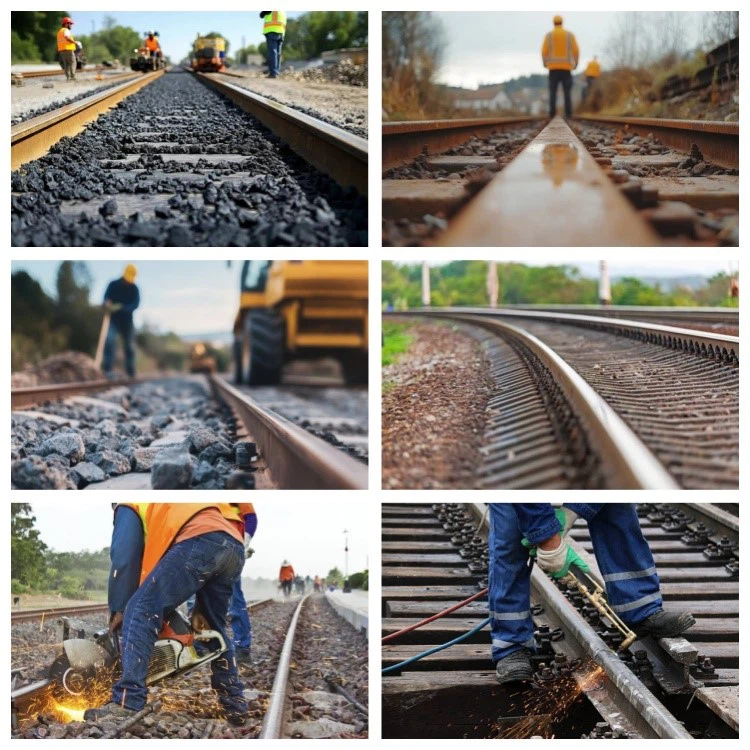
As an important mode of transportation in modern society, the safety and stability of railways are crucial. Fasteners are the key elements to ensure the stability of railway facilities. So, what fasteners are used in railway construction?
1. Bolts and nuts
In railway facilities, bolts and nuts are the most common fasteners. They are widely used in the connection and fixation of rails and the construction of railway bridges. Bolts are usually used in conjunction with nuts to generate strong connection forces by tightening to ensure that the various parts of railway facilities are closely connected, thereby ensuring the smooth operation of trains.
2. Washers and retaining rings
Washers are usually placed between bolts and nuts to increase the stability and tightening force of the connection. They can disperse the pressure between bolts and nuts to prevent loosening and damage. Retaining rings are often used to prevent bolts or nuts from loosening due to vibration, further enhancing the safety of railway facilities.
3. Other special fasteners
In addition to the above common fasteners, some special fasteners are also used in railway construction, such as track fasteners. These fasteners are designed according to the special needs of railway facilities to meet specific connection and fixing requirements.
Fasteners play a vital role in railway construction. Although they are small, they are related to the safety and stability of the entire railway system. Therefore, in railway design and construction, high-quality fasteners must be strictly selected and used to ensure the smooth and safe operation of the railway.