

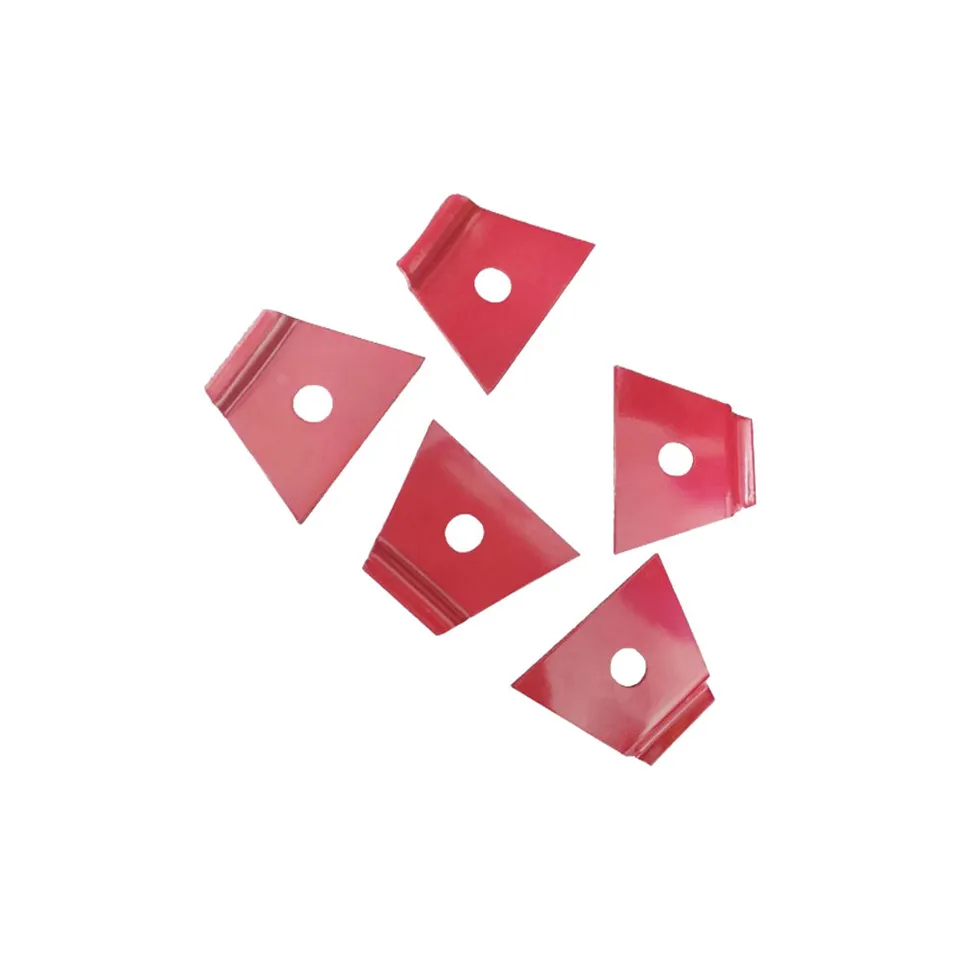


↵Rail Nabla cLIP Fastening System

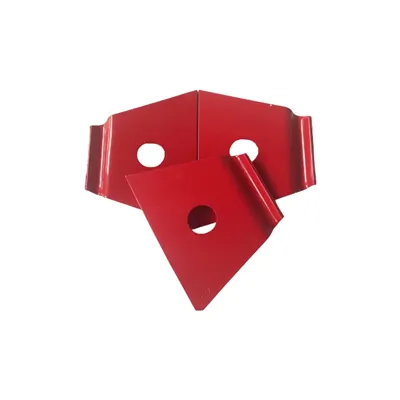
The Railway Nabla Clip (designated as type "K" or "∆ clip" in some standards) is a geometrically optimized elastic fastening component where lateral shoulder engagement generates controlled torsional-bending deformation. Unlike conventional spring clips that operate through vertical deflection, the Nabla design creates a multi-vector clamping force through its triangular cross-section, producing exceptional rail stability in high-vibration environments while maintaining defined elasticity thresholds.
Technical Specifications:
| Perspective | Fundamental Innovation | Performance Benchmark | Quality Assurance Focus | System Integration Complexity |
|---|---|---|---|---|
| Geometric Physics | Triaxial Force Generation via Torsion | Fatigue Life >700M Cycles | Stress Distribution Uniformity | Requires Precision-Cast Shoulder Geometry |
| Precision Manufacturing | Grain-Optimized Forging Process | Hardness Gradient Control ±HRC 1.5 | Full Digital Traceability | Higher Production Energy Input |
| System Interface Engineering | Kinematic Shoulder Interaction | Corrosion Resistance >2000h Salt Spray | Cascading Redundancy Design | Insulator-Clip Co-Development Essential |
Functional & Engineering Perspective
Triangular Force Vectorization: The clip's ∇ shape converts horizontal installation force into three-dimensional clamping pressure - vertical hold-down, lateral rail-web contact, and anti-roll torque simultaneously.
Torsional Elasticity Coefficient: Primary elastic behavior stems from controlled torsion around the clip's longitudinal axis rather than simple bending, providing non-linear stiffness characteristics ideal for damping resonant frequencies.
Stress Gradient Optimization: Finite element analysis confirms the triangular geometry creates gradual stress gradients without sharp concentration points, extending fatigue life beyond 700 million load cycles in validated tests.
Maintenance & Operational Perspective
- Forging Grain Flow Alignment: Industrial hot-forging processes align the steel's metallurgical grain structure with the clip's stress contours, enhancing fatigue resistance beyond what machined or cast alternatives achieve.
- Micro-tolerance Heat Treatment: Multi-stage tempering processes maintain surface hardness at HRC 44-48 while preserving core toughness, with temperature gradients controlled within ±3°C during quenching.
- Surface Integrity Protocols: Post-forging shot peening induces compressive residual stresses of 600-800 MPa at critical radii, followed by phosphate coating that retains lubrication during installation.
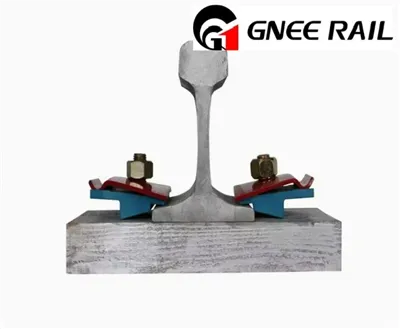
Gnee Professional supplier


Hot Tags: rail fastening system nabla clips, China rail fastening system nabla clips manufacturers, suppliers, factory, rail clip non magnetic coating, rail clip thermal coating, rail clip alignment, rail clip locking, rail clip metallic coating, rail clip stamping tools


