



↵Rail Fishplate Fastening System
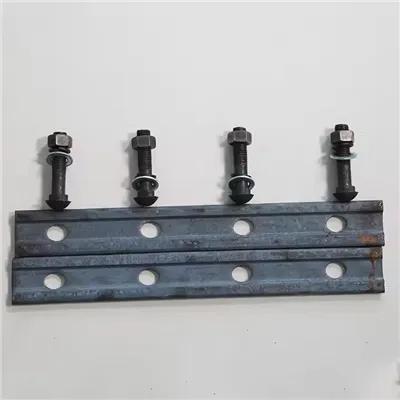
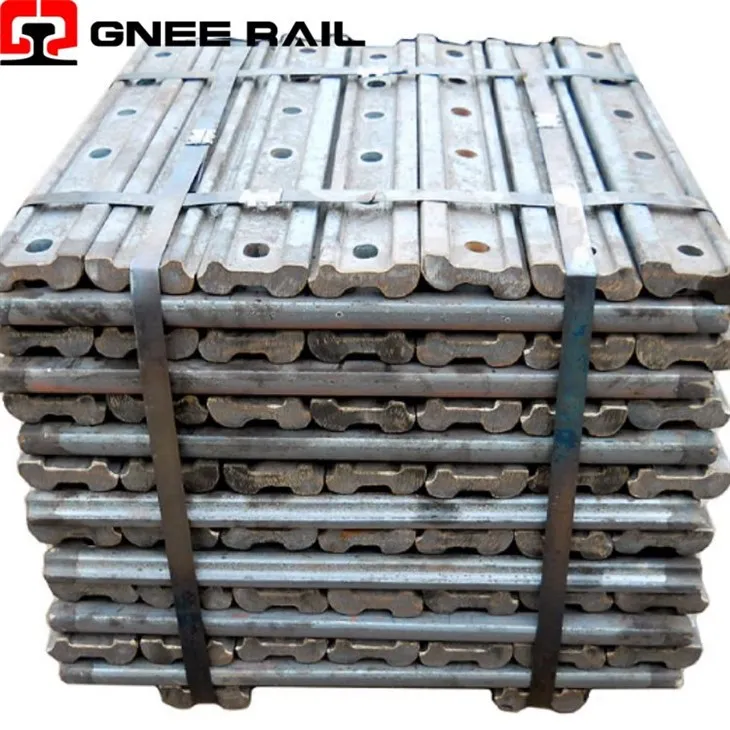
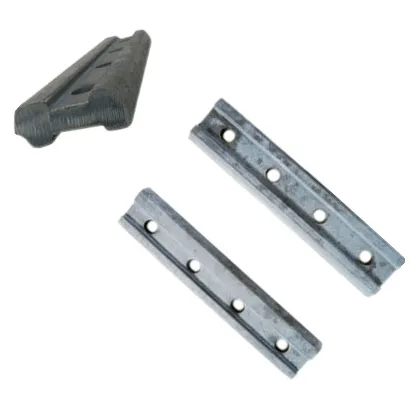
A Railway Fishplate (also known as a joint bar or splice bar) is a critical component used to connect two abutting rail ends within the track structure. Its primary function is to maintain rail continuity by transferring bending moments and shear forces across the rail joint, ensuring smooth wheel passage and preserving track alignment. Fishplates are typically a pair of metal bars that are bolted tightly to the web of the rails, clamping onto both sides.
Technical Specifications:
| Characteristic | Specification / Detail | Primary Importance |
|---|---|---|
| Primary Role | Splice two rail ends, transferring structural loads | Ensures mechanical continuity at rail joints |
| Critical Design Factor | Exact profile matching to specific rail section | Maximizes contact area and load transfer |
| Key Maintenance Indicator | Bolt Torque & Condition of Bolt Holes | Directly correlates with joint integrity & safety |
| Failure Mode | Crack propagation from bolt holes, wear-induced looseness | Leads to joint failure and track geometry decay |
| Insulated Variant (IFJ) | Incorporates composite materials for electrical isolation | Essential for track circuit signaling systems |

Functional & Engineering Perspective
Load Transfer & Joint Continuity: The fundamental role is to transfer vertical, lateral, and longitudinal forces from one rail end to the next. This mitigates the "dip" at the joint and reduces impact forces on sleepers and ballast, protecting the track structure.
Alignment Preservation: By clamping tightly to the rail web, fishplates hold the two rail ends in precise vertical and horizontal alignment, preventing misalignment that could cause a rough ride or derailment risk.
Replacement Protocol: Worn, cracked, or corroded fishplates are replaced as a complete set. The procedure requires track occupancy to unbolt the old plates, clean the rail web contact surfaces, and install new plates with new, properly lubricated high-strength bolts.
Maintenance & Operational Perspective
- Material Specification & Heat Treatment: They are made from medium-carbon or micro-alloyed steel, often quenched and tempered to a specific hardness (typically slightly lower than the rail steel) to provide a balance of strength, toughness, and wear resistance.
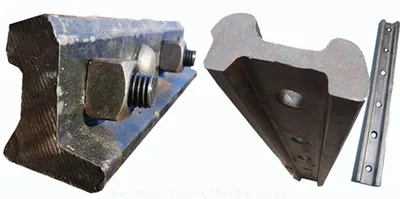
- Precision Machining & Hole Drilling: Contact surfaces are machined for a precise fit with the rail web. Bolt hole locations are drilled with high accuracy to ensure proper alignment and even clamping force distribution.
Gnee Professional supplier


Hot Tags: customized railway fish plate, China customized railway fish plate manufacturers, suppliers, factory, railroad joint bars, fish bolts are made of, normal fish plate, types of fish plate in railway, glued insulated rail joint, rail joint


