

Turnout Types
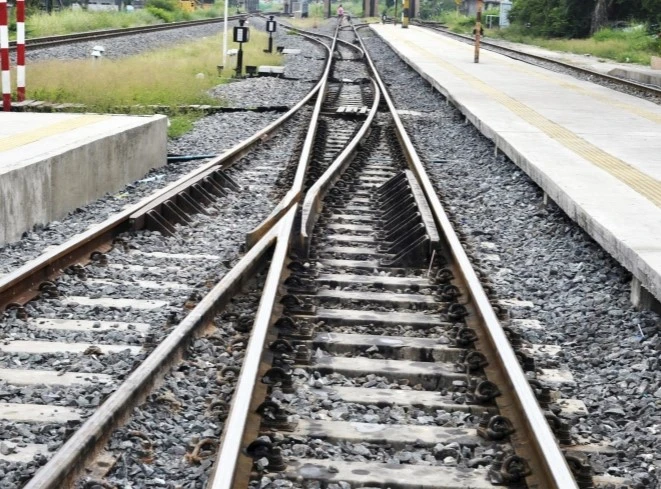
We supply railway turnout assemblies for railway construction, track renewal, station layouts, rail yards, and other railway infrastructure projects. Our supply scope covers different turnout configurations, including single railway turnouts, symmetric turnouts, railway crossovers, double crossovers, railway crossings, and slip switches.
What Is a Railway Turnout?
A railway turnout, also known as a railway switch or railroad switch, allows trains to move from one track to another. It is widely used in railway stations, marshalling yards, main-line railway networks, and industrial track systems.
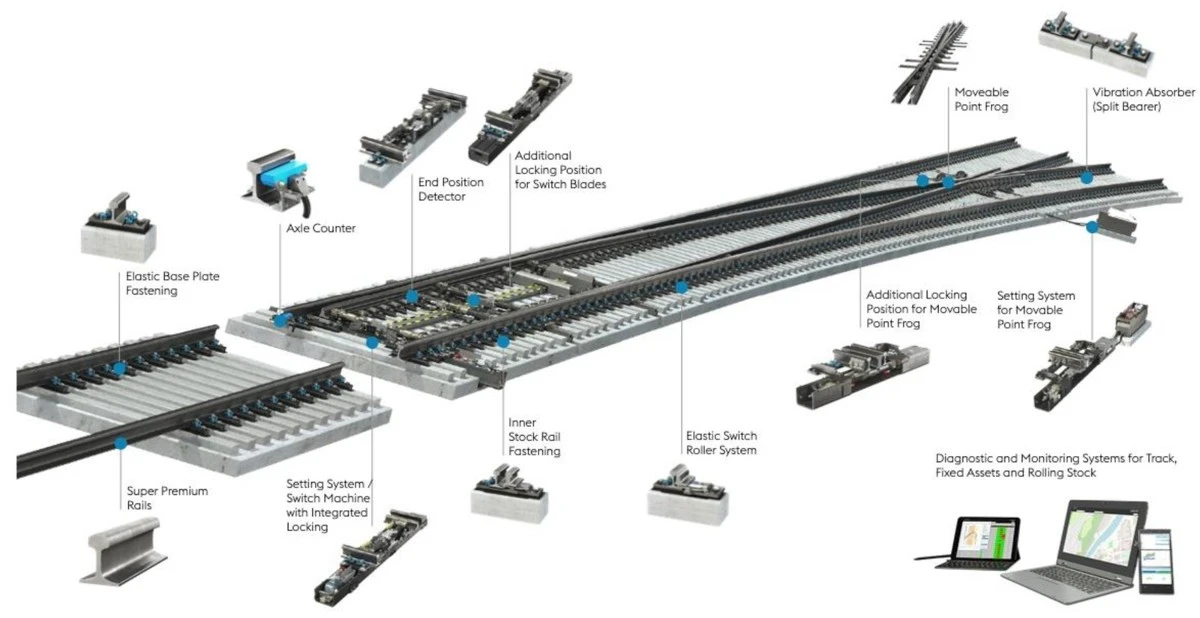
A typical turnout consists of switch rails, stock rails, a frog, guard rails, and associated components. Different types of railway turnouts are designed for specific track layouts and operating requirements.
When selecting a complete assembled turnout, buyers should consider the rail gauge, rail profile, frog number, applicable standards, and project drawings. Custom railway turnouts can be specified according to project requirements.
Railway Turnout Types
We supply different types of railway turnouts for railway construction, track renewal, stations, marshalling yards, and industrial track systems. Explore the configurations below to identify the right solution for your project.
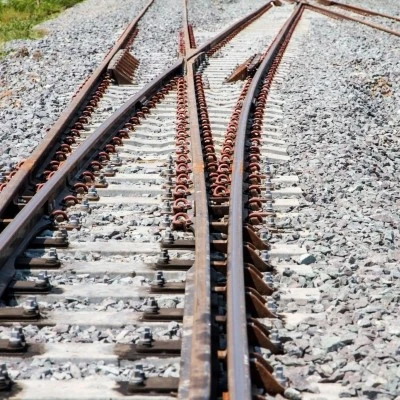
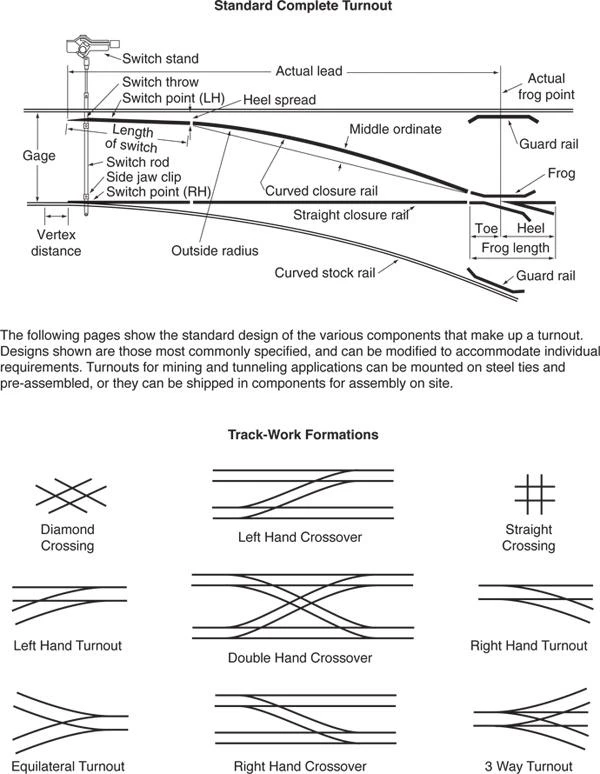
Single Railway Turnout
Connects one main track to a diverging track. Commonly used on main lines, railway stations, sidings, and industrial tracks.

Symmetric Turnout
Divides a track into two diverging routes arranged symmetrically. Suitable for track layouts requiring balanced branching geometry.

Three-Way Turnout
Connects an approach track to three route options. Used in selected station and railway yard layouts where multiple routes must branch from a limited area.
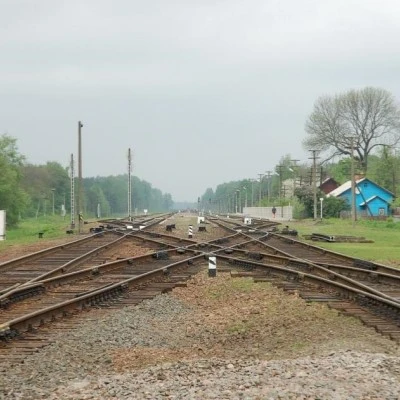
Railway Crossover
Connects two adjacent tracks so trains can transfer between them. Commonly used on main lines, at stations, and in railway yards.
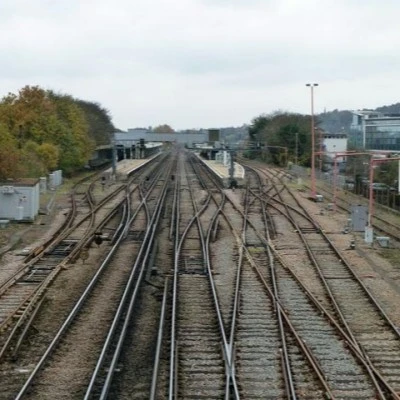
Double Crossover
Combines two crossover connections to enable train movements between adjacent tracks in both directions. Used where more flexible track routing is required.
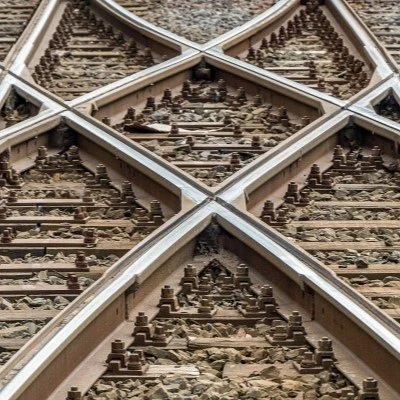
Railway Crossing
Allows two railway tracks to intersect at the same level. Used at track intersections where routes cross rather than simply diverge.

Single Slip Switch
Combines a track crossing with one connecting route between intersecting tracks. Suitable for compact station layouts where space is limited.
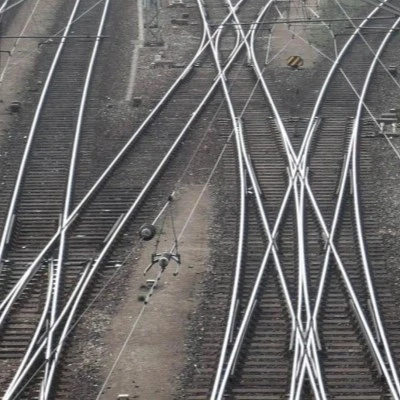
Double Slip Switch
Combines a track crossing with connecting routes in both directions. Used in complex station throats and railway yards where multiple movements must fit within limited space.
Compare Railway Turnout Types
Different railway turnout configurations serve different track layouts. The right choice depends on the required route connections, available track space, rail profile, and project design.
| Turnout Type | Track Configuration | Typical Application |
|---|---|---|
| Single Railway Turnout | One track branches into two routes | Railway lines, stations, and sidings |
| Symmetric Turnout | Two symmetrically arranged diverging routes | Specified symmetric track layouts |
| Railway Crossover | Connects two adjacent tracks | Stations and multi-track railway lines |
| Double Crossover | Provides crossover connections in both directions | Complex multi-track layouts |
| Three-Way Turnout | One approach track connects to three route options | Selected railway yards and stations |
| Single Slip Switch | Track crossing with one connecting route | Space-constrained track layouts |
| Double Slip Switch | Track crossing with connecting routes in both directions | Complex station layouts |
| Railway Crossing | Two tracks intersect at the same level | Track intersections |
How to Choose the Right Type
For a simple diverging route: Consider a Single Railway Turnout.
For transferring trains between adjacent tracks: Consider a Railway Crossover.
For multiple route options within a limited area: Evaluate a Three-Way Turnout or a slip switch, depending on the track layout.
For intersecting tracks without a route connection: Consider a Railway Crossing.
The final configuration should be confirmed against the project drawings, applicable railway standards, rail profile, track gauge, and operating requirements.
How to Specify a Railway Turnout
To quote a railway turnout accurately, buyers should provide the available technical specifications, project drawings, and required supply scope.
| Specification | Information to Provide |
|---|---|
| Turnout Type | Single turnout, crossover, slip switch, or other configuration |
| Track Gauge | Required track gauge |
| Rail Profile | Rail section designation, such as 50 kg/m or 60 kg/m where applicable |
| Turnout Number / Frog Number | As specified in the project design |
| Turnout Direction | Left-hand, right-hand, or other specified arrangement |
| Applicable Standard | Required railway standard or project specification |
| Supply Scope | Complete turnout assembly or individual components |
| Quantity | Required number of sets |
| Delivery Destination | Destination country, city, or port |
| Technical Drawings | Drawings showing turnout geometry, dimensions, and connection details |
Custom Railway Turnouts According to Drawings
If your project uses a special turnout configuration or non-standard dimensions, send us the available drawings and technical requirements for review. We can assess the requested product scope and confirm the applicable specifications before quotation.
Submit Your Technical Drawings
Railway Turnout Components & Technical Specifications
We supply railway turnout components for complete turnout assemblies, railway construction, track renewal, and replacement projects. Available components include frogs, switch rails, guard rails, turnout fasteners, slide baseplates, rail braces, and connecting components.
Component dimensions, material grades, mounting details, and applicable standards depend on the turnout design and project requirements. Technical specifications can be confirmed against approved drawings, relevant railway standards, and the required rail profile.
Railway Turnout Components
| Component | Key Specifications | Supply Options |
|---|---|---|
| Railway Frog | Frog number, rail profile, material grade, overall dimensions, mounting details | Individual component or specified assembly |
| Switch Rail | Rail profile, length, end geometry, material grade, connection details | Left-hand or right-hand configuration where applicable |
| Guard Rail | Rail profile, length, check gauge, mounting hole spacing, material | Component supplied to the specified design |
| Turnout Fasteners | Fastener type, dimensions, thread, material grade, surface treatment | Individual fasteners or specified sets |
| Lubrication-Free Slide Baseplate | Overall dimensions, mounting hole pattern, material, sliding surface design | According to the specified turnout design |
| Roller Slide Baseplate for Turnout | Baseplate dimensions, roller arrangement, mounting details, material | According to the specified turnout design |
| Slider Base Assembly | Assembly dimensions, component details, material, mounting interface | Assembly or specified components |
| Rail Brace | Type, dimensions, material, hole spacing, installation details | According to rail profile and design |
| Gauge Tie Rod | Length, rod diameter, end connections, thread, material | According to required gauge and connection design |
| Turnout Connecting Rod | Overall length, end connections, thread, material, adjustment requirements | According to the turnout operating arrangement |
Custom Turnout Components According to Drawings
For non-standard components or replacement parts, please provide the available technical drawings, part numbers, applicable standards, and required quantities. Where available, include the turnout type, rail profile, frog number, and details of the mating components.
We will review the specified dimensions, material requirements, connection details, and supply scope before quotation.
Railway Turnout Production Capabilities
Railway turnout assemblies require accurately manufactured components, compatible rail sections, and precise connection dimensions. Our production and supply arrangements are organized around the technical requirements of each project, from component processing and dimensional inspection to final packing and export delivery.
Factory Workshop & Production Equipment
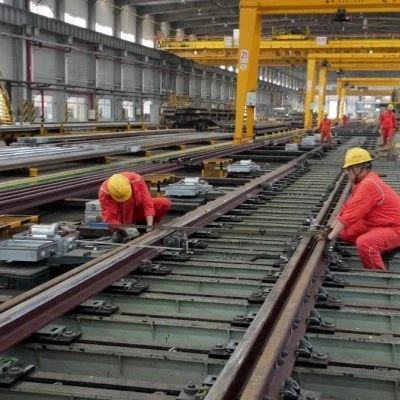
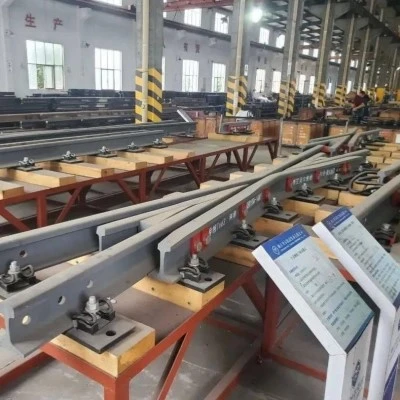
Our factory facilities support the processing and production of railway materials and turnout-related components. Depending on the product and order scope, manufacturing operations may include cutting, drilling, machining, component preparation, and assembly.
Factory equipment, processing areas, and production activities can be reviewed through our workshop photographs and project-specific production records.


Railway Turnout Components & Machining
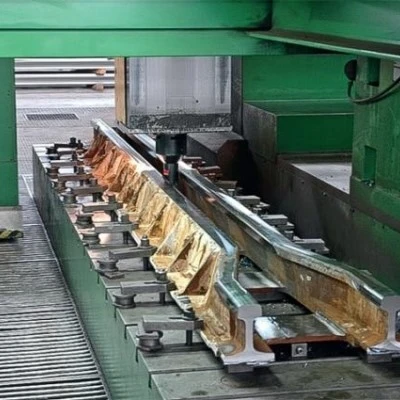
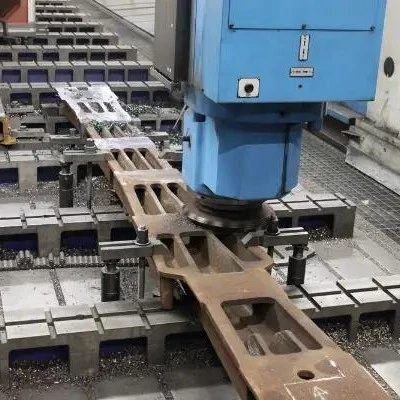
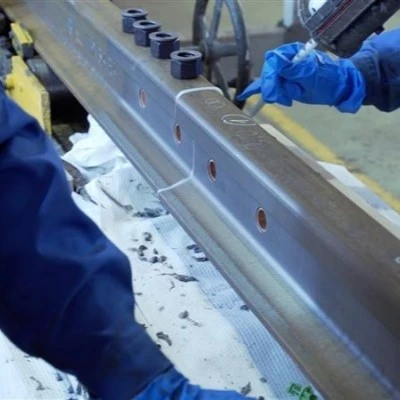
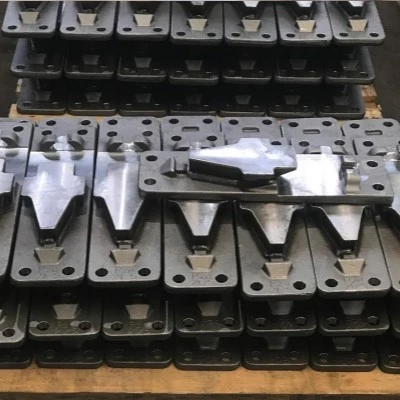
Turnout components must match the specified rail profile, dimensions, hole positions, and connection interfaces. Components such as switch rails, frogs, guard rails, slide baseplates, and connecting parts are processed according to the relevant drawings and technical requirements.
For customized orders, the required dimensions, material grade, machining details, and component interfaces are confirmed before production.
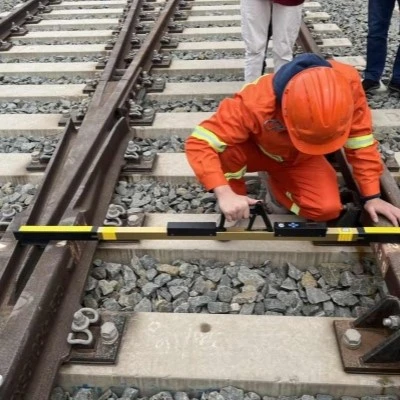
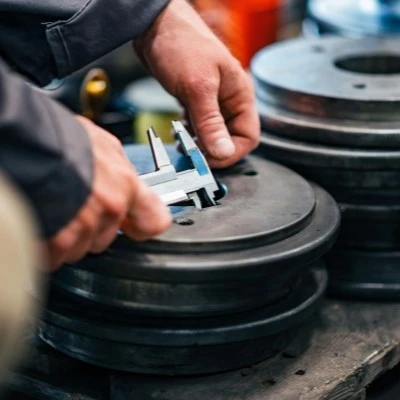
Dimensional Inspection & Component Verification
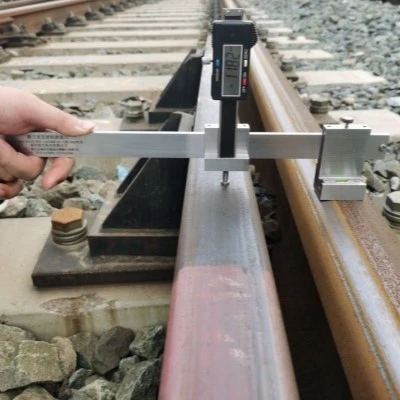
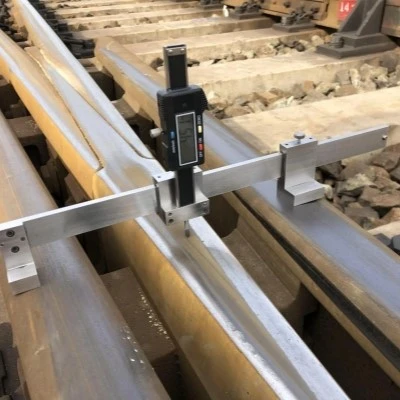
Inspection focuses on the characteristics specified for each product. Depending on the component, checks may include:
Overall dimensions, length, thickness, and profile
Mounting hole diameter, spacing, and position
Connection interfaces and component fit
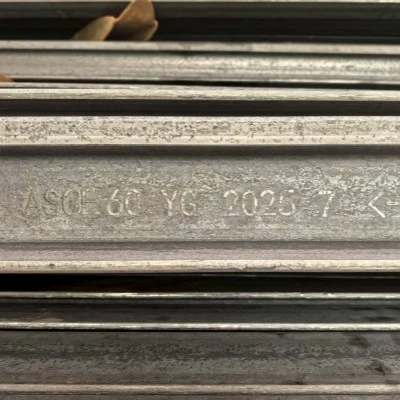
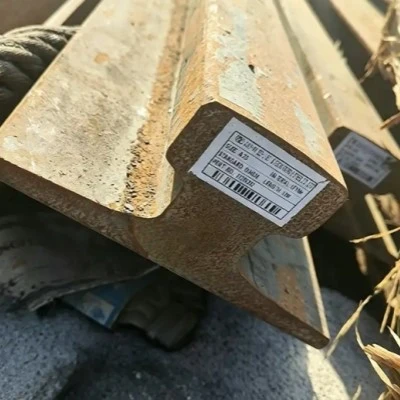
Product identification and marking
Material documentation and other specified inspection records
Inspection methods and acceptance criteria follow the applicable product standards, approved drawings, and purchase specifications.
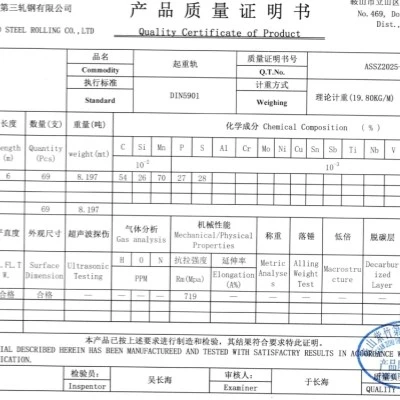
Material Documents & Order Traceability
Where required and available, order documentation may include material certificates, dimensional inspection records, product identification records, and other agreed quality documents.
Document requirements are confirmed against the order specifications before shipment.

Export Packing & Shipment Preparation
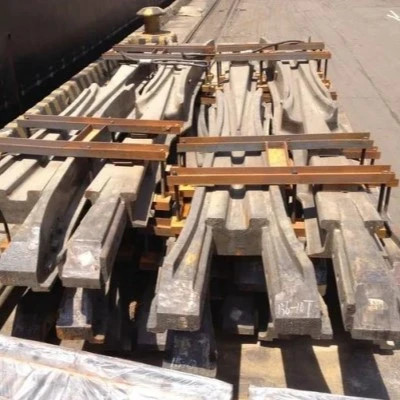
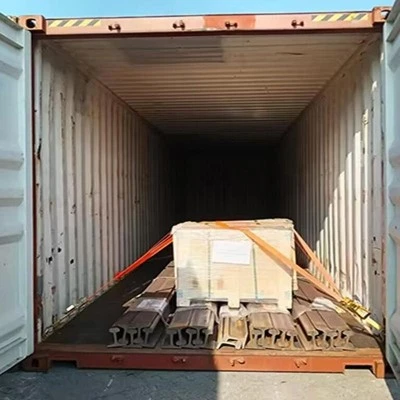
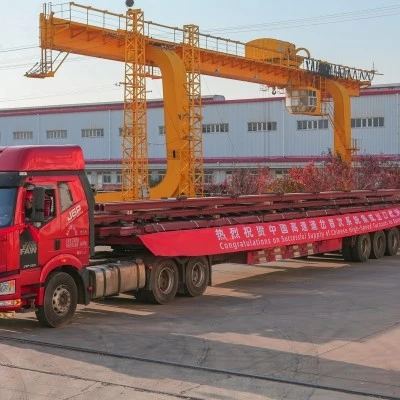
Railway components can vary considerably in length, weight, and geometry. Packing arrangements therefore depend on the supplied product, transport method, handling requirements, and destination.
Before dispatch, the packing plan and securing method are confirmed to help protect components during handling and transportation. Available packing photographs and shipping documents can be provided as part of the order documentation.
Planning a Railway Turnout Project?
FAQ
Q: 1. Can you supply complete railway turnout assemblies?
A: Complete turnout assemblies can be quoted according to the required turnout configuration, applicable railway standard, technical drawings, and confirmed supply scope.
Q: 2. Can you manufacture railway turnouts according to customer drawings?
A: Customized requirements can be reviewed against customer drawings and project specifications. The design details, material requirements, manufacturing arrangements, and acceptance criteria must be confirmed before production.
Q: 3. Which railway turnout standards can you supply?
A: The applicable standard depends on the project and required turnout design. Please specify the required standard or provide the technical drawings so that the requirements can be reviewed before quotation.
Q: 4. Can I order railway turnout components separately?
A: Yes, individual components such as frogs, switch rails, guard rails, slide baseplates, and turnout fasteners can be considered according to the required part specifications and compatibility requirements.
Q: 5. What information is needed for a railway turnout quotation?
A: Please provide the turnout type, rail gauge, rail profile, frog number, applicable standard, required quantity, delivery destination, and technical drawings where available.
Q: 6. Can you provide material certificates and inspection documents?
A: Available documentation depends on the supplied products and order requirements. Material certificates, dimensional inspection records, and other agreed quality documents should be confirmed before order placement.
Q: 7. How are railway turnouts packed for export?
A: Packing arrangements depend on the dimensions, weight, geometry, and transportation method. The packing and securing requirements should be agreed before shipment.
Send Us Your Project Requirements
To help us assess your request, please provide the following information where available:
Turnout Type: Single turnout, crossover, slip switch, or other configuration
Rail Profile & Track Gauge: Required rail section and track gauge
Frog Number: As specified in your design
Applicable Standard: Required railway standard or project specification
Supply Scope: Complete turnout assembly or individual components
Quantity: Required sets or component quantities
Delivery Destination: Country, city, or port
Technical Drawings: Drawings, specifications, or bill of quantities
If you do not have all the technical details available, send us your existing drawings or project documents for an initial review.
As one of the leading turnout types manufacturers and suppliers in China, we warmly welcome you to wholesale turnout types for sale here and get free sample from our factory. All customized products are with high quality and competitive price.