

Rail fishplates, also known as rail joint bars or joint plates, are used to connect two rail ends at a rail joint. They are typically installed on the sides of the rail web and secured with bolts and nuts, forming a mechanical connection between adjacent rail sections.
Fishplates must match the rail profile, joint design, bolt-hole arrangement, and applicable technical requirements. For railway operators, contractors, and rail infrastructure distributors, selecting the correct fishplates is essential for proper rail joint assembly and reliable service.
What Are Rail Fishplates Used For?
Rail fishplates connect adjacent rail sections at mechanical rail joints. Depending on the rail system and joint design, they serve several important functions:
Rail joint connection: Secure adjacent rail ends using the specified fishplates and fastening components.
Rail alignment: Help maintain the intended alignment of the rail ends at the joint.
Load transfer: Support the designed mechanical connection and transfer forces across the joint as specified by the rail system.
Rail maintenance and replacement: Allow compatible joint assemblies to be installed, inspected, and replaced when required.
Rail fishplates are used in various rail applications, including mainline railways, industrial railways, mining railways, light rail systems, and crane rail installations. The required design depends on the rail section, operating conditions, and project specifications.
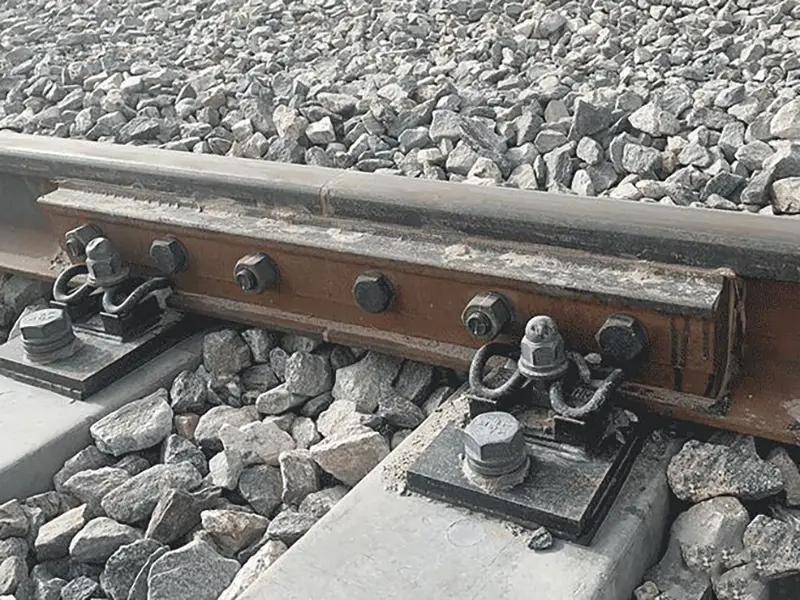
Rail Fishplates Installed at a Railway Track Joint
Common Rail Fishplate Sizes and Models
Rail fishplates are commonly specified according to the rail section they are designed to connect. In some markets, rail sections are identified by their nominal mass per meter, such as 43 kg/m, 50 kg/m, 60 kg/m, and 75 kg/m.
The following are examples of commonly referenced rail sizes. Actual availability and compatibility depend on the rail profile and applicable regional standards.
| Rail designation | Typical application context | Selection note |
|---|---|---|
| 43 kg/m rail | Conventional railway and certain industrial track systems | Confirm the exact rail profile and joint-hole arrangement |
| 50 kg/m rail | Railway and industrial track applications | Match the fishplate to the specified rail section |
| 60 kg/m rail | Railway track systems using the corresponding rail profile | Confirm profile dimensions and bolt specifications |
| 75 kg/m rail | Heavy-duty rail systems where this rail section is specified | Verify the applicable rail standard and joint design |
Important: Rail mass alone does not define the complete fishplate specification. Rails with different profiles or standards may require different fishplate dimensions, even when their nominal mass designations appear similar.
Before ordering, confirm the rail profile, fishplate drawing, overall length, cross-sectional dimensions, bolt-hole diameter, hole spacing, and required accessories.
Common Types of Rail Fishplates
Standard Rail Fishplates
Standard fishplates are used to connect compatible rail sections at conventional mechanical rail joints. Their dimensions and hole patterns must correspond to the specified rail profile and joint arrangement.
Typical requirements include rail compatibility, plate dimensions, bolt-hole positions, and fastening specifications.

Insulated Rail Fishplates
Insulated fishplates are used in rail joints where electrical isolation between adjacent rail sections is required, such as certain track-circuit applications.
An insulated joint assembly may include specially designed joint bars, insulating components, bolts, and other specified parts. Insulation performance depends on the complete joint assembly, not simply on the fishplates themselves.
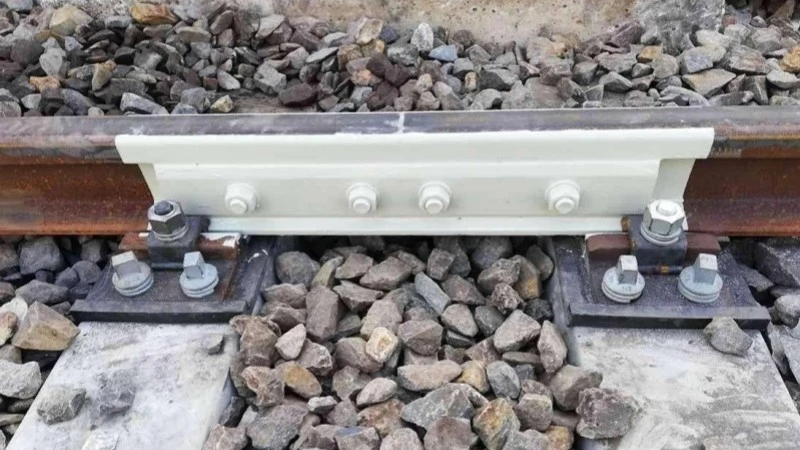
Compromise Fishplates
Compromise fishplates are designed to connect two different rail profiles where the track design permits such a transition.
They are not interchangeable with standard fishplates. Both rail profiles and the approved joint design must be confirmed before manufacture or supply.
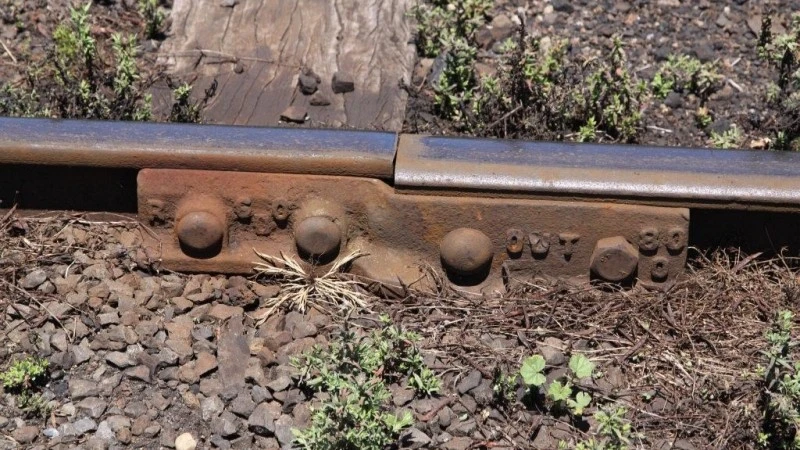
Crane Rail Fishplates
Crane rail fishplates are designed for compatible crane rail sections used in overhead crane runways, gantry crane tracks, and industrial material-handling systems.
Their geometry and fastening arrangements depend on the crane rail profile and the relevant installation requirements.

P60 Rail Fishplates and Typical Accessories
A P60 fishplate assembly is an example of a rail joint configuration associated with a specified 60 kg/m rail profile. The exact components and quantities depend on the rail section, joint design, and project requirements.

The following table illustrates one possible accessory configuration based on a six-bolt joint assembly.
| No. | Product | Example specification | Quantity per set | Unit |
|---|---|---|---|---|
| 1 | Rail Fishplate | P60 | 2 | Pieces |
| 2 | High-Strength Fishplate Bolt | M24 × 135 mm | 6 | Pieces |
| 3 | Spring Washer | 9 × 26 mm, as specified | 6 | Pieces |
| 4 | Thick Nut | M24 | 6 | Pieces |
Configuration note: This is an example, not a universal P60 bill of materials. Confirm the bolt dimensions, washer type, nut specifications, and quantities against the applicable drawing or purchase order. The washer designation should also be verified before ordering.
When purchasing complete fishplate assemblies, specify whether the quotation should include fishplates only or fishplates with bolts, washers, and nuts. This helps avoid quantity discrepancies during delivery and receiving inspection.
Request a Rail Joint Assembly Quote
How to Select the Correct Rail Fishplate
Selecting a suitable fishplate requires more than identifying the nominal rail weight. Buyers should confirm the following details before placing an order.
Confirm the Rail Profile
Provide the rail designation, applicable standard, or a dimensioned rail cross-section drawing. This helps establish the correct fishplate profile and contact geometry.
Check the Dimensions and Bolt-Hole Pattern
Verify the overall length, thickness, section height, bolt-hole diameter, hole spacing, and hole positions against the approved drawing or technical specification.
Confirm the Material and Technical Requirements
Specify the required material grade, manufacturing requirements, and applicable product or project standards. Where necessary, identify the required material certificates and inspection documents.
Check the Fastening Configuration
Confirm the number and dimensions of bolts, nut specifications, washers, and any other accessories required for the joint assembly.
Consider the Operating Environment
Railway mainlines, industrial tracks, mining railways, and crane rail systems may have different service conditions and joint requirements. Select the fishplate according to the intended application and approved rail-joint design.
The safest approach is to specify the rail profile and provide the relevant drawing or standard. This allows the required fishplate configuration to be checked before production or shipment.
Rail Fishplate Installation and Inspection
Rail fishplates must be installed and inspected according to the applicable rail-joint design, manufacturer instructions, and project requirements.
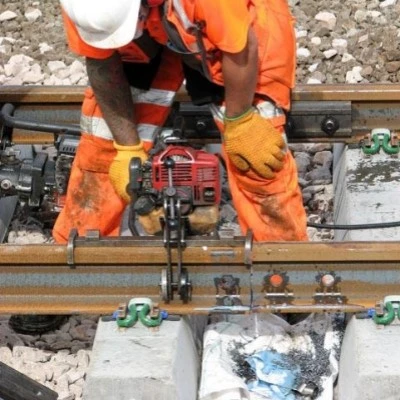


Common inspection and installation checks include:
Profile compatibility: Confirm that the fishplates match the specified rail section and joint arrangement.
Hole alignment: Check that the fishplate holes align with the rail holes and that the specified fasteners can be installed correctly.
Joint alignment: Verify the rail-end alignment and joint condition against the project requirements.
Fastener installation: Check the bolt, nut, and washer configuration and tighten the fasteners according to the approved procedure.
Visual condition: Inspect for visible cracks, deformation, damage, corrosion, or other unacceptable surface conditions.
Installation requirements vary by rail system. Any specified bolt-tightening procedure, inspection method, and acceptance criteria should be followed rather than applying a universal value to every rail joint.
Rail Fishplate Dimensions and Quality Inspection
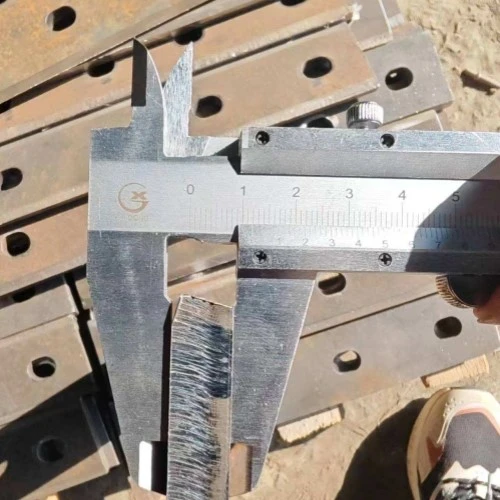
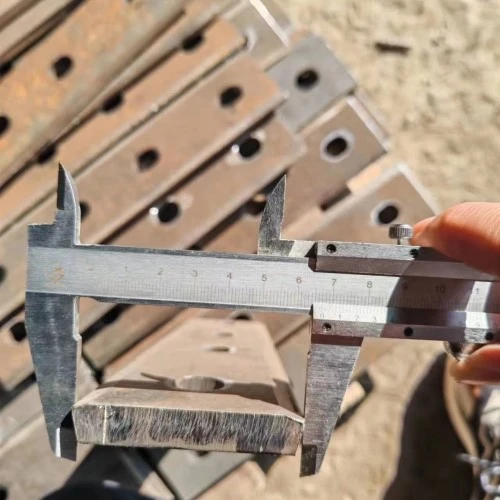
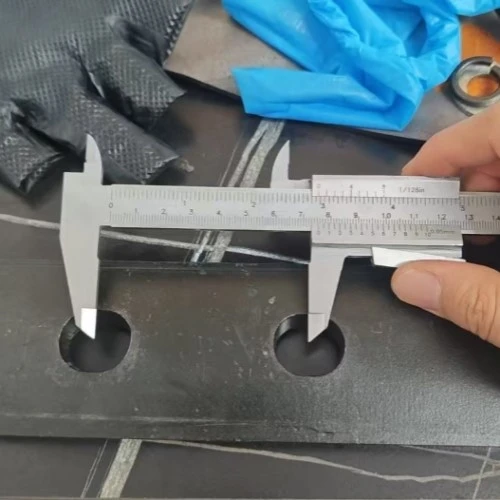
Dimensional inspection helps verify that supplied fishplates conform to the approved drawings and purchase specifications.


| Inspection item | What to verify |
|---|---|
| Overall length | Total fishplate length |
| Section dimensions | Thickness, height, and specified cross-sectional features |
| Bolt-hole diameter | Hole size and conformity to drawing requirements |
| Hole spacing | Center-to-center distances between bolt holes |
| Hole position | Hole locations relative to the ends and reference dimensions |
| Profile and straightness | Overall shape and conformity to the specified profile |
| Surface condition | Visible cracks, deformation, burrs, and other specified surface defects |
| Documentation | Material certificates and inspection records, where required |
Dimensional tolerances should follow the applicable product standard, approved drawing, or agreed purchase specification. General tolerances should not be assumed to replace fishplate-specific requirements.
For projects requiring documented quality control, buyers may specify the inspection records, material certificates, and other documentation to be supplied with the order.
Information to Provide When Purchasing Rail Fishplates
To help establish the correct product specification and quotation, buyers should provide as much of the following information as possible.
| Required information | Examples or details |
|---|---|
| Rail model | Rail designation, profile, and applicable standard |
| Fishplate type | Standard, insulated, compromise, or crane rail fishplate |
| Dimensions | Drawing, overall length, thickness, hole diameter, and hole spacing |
| Material requirements | Required grade or project-specific material specification |
| Fasteners | Bolt dimensions, nut type, washer type, and quantities |
| Order quantity | Number of fishplates or complete joint sets |
| Quality documents | Material certificates and inspection records, if required |
| Delivery requirements | Destination, packaging, and requested delivery schedule |
If a complete drawing is unavailable, provide the rail model, available dimensions, photographs, or an existing sample for initial specification review.
Clear requirements help reduce the risk of profile mismatches, incorrect bolt-hole patterns, and missing fastening components.
FAQ
Q: Are rail fishplates and rail joint bars the same product?
A: In many railway procurement contexts, fishplate and rail joint bar refer to the same general type of component used to connect rail ends. Terminology varies by market, railway system, and product standard.
Q: Can fishplates for different rail models be used interchangeably?
A: Not necessarily. Fishplates must match the rail profile, joint arrangement, and bolt-hole pattern. Similar nominal rail weights do not guarantee compatibility.
Q: What accessories are normally supplied with rail fishplates?
A: Depending on the order, the supply may include fishplates only or a complete assembly with fishplate bolts, nuts, washers, and any other specified components. Confirm the required scope in the purchase order.
Q: How can I confirm the correct fishplate dimensions?
A: Use the applicable rail standard, approved fishplate drawing, or verified sample. Confirm the overall dimensions, section profile, bolt-hole diameter, and hole spacing before ordering.
Q: Can rail fishplates be manufactured according to customer drawings?
A: Custom supply may be possible depending on the design, manufacturing capability, and order requirements. Provide the technical drawing, material requirements, quantities, and inspection specifications for review.
Request a Quote for Rail Fishplates


