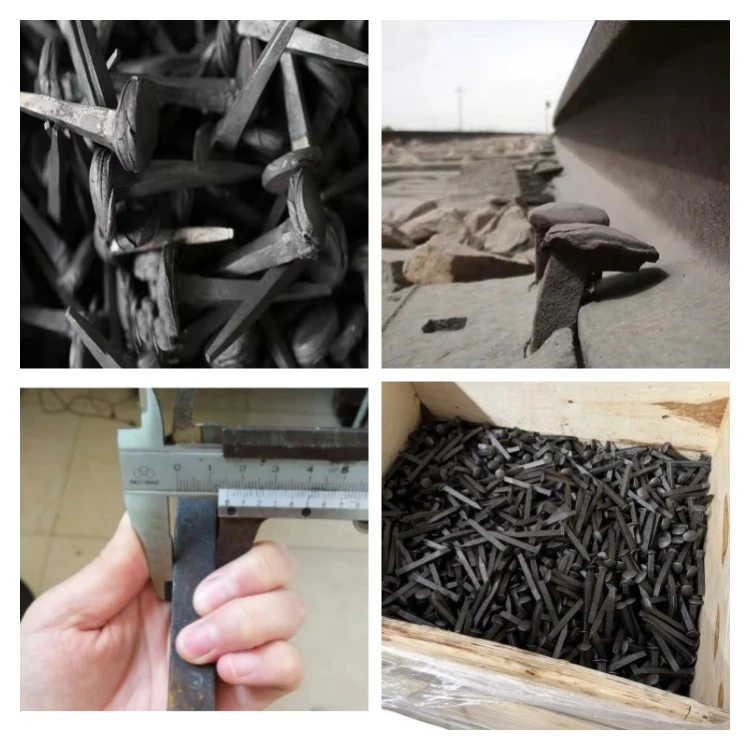
Detailed explanation of railway spike size
The size of railway spikes varies according to their types. For example, the common sizes of ordinary machine-made spikes are 10*100, 12*120, 14*140 and 16*165 mm, etc.; the size of spiral spikes is 24*195 mm. These sizes are determined according to relevant standards and actual use requirements to ensure the stability and safety of the spikes.
Railway spikes are indispensable fasteners in railway construction, and their size is crucial to ensure the stability and safety of railway tracks. Below, we will introduce the sizes of several common railway spikes in detail.
1. Ordinary spike size
Ordinary spikes are divided into two types: manual spikes and machine-made spikes. Common sizes of manual spikes include 8*80, 10*100, 12*120 and 14*140 mm, etc. Mechanized spikes are more uniform, with common sizes of 10*100, 12*120, 14*140 and 16*165 mm, etc. These dimensions represent the diameter and length of the spike, for example, a 16*165mm spike has a diameter of 16mm and a length of 165mm.
2. Spiral spike dimensions
Spiral spikes are a special type of spike, and their dimensions are different from those of ordinary spikes. Common spiral spike dimensions are 24*195mm, which means that their diameter is 24mm and their length is 195mm. The design of spiral spikes gives them greater pull-out resistance and is suitable for situations where higher stability is required.
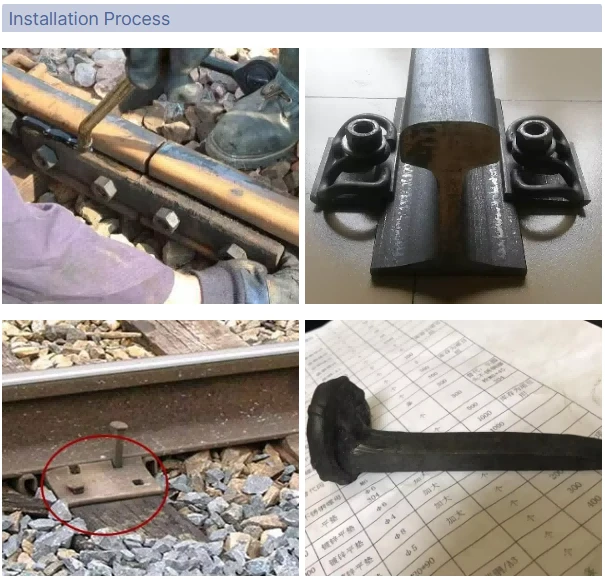
3. Relationship between size and performance
The size of railway spikes is closely related to their performance. The right size ensures that the spikes remain stable when bearing the weight of the train and the vibrations generated during operation. Too large or too small a size may affect the stability and service life of the spikes. Therefore, when selecting railway spikes, the right size must be determined based on the specific use environment and requirements.
4. Relevant standards and quality control
The size and quality of railway spikes must comply with relevant national and industry standards. For example, the material of the spiral spike is Q235-A steel, and its technical requirements should comply with the provisions of GB700. In addition, strict quality control is required during the manufacturing process of the spikes to ensure their precise size and stable performance.
In short, the size of the railway spike is a key factor in ensuring its performance and safety. By understanding the size of different types of spikes and the relationship between size and performance in detail, we can better select and use railway spikes, providing strong guarantees for the stability and safety of railway construction.