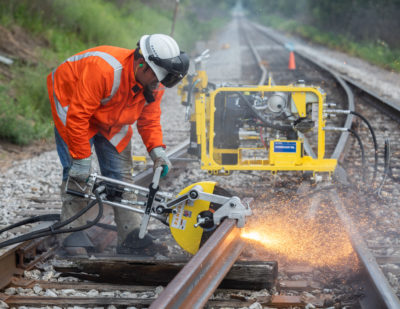
The installation and maintenance of rail track clips demand expertise, precision, and the use of appropriate tools. Although the installation process is not overly complex, it is crucial to execute it accurately to avoid potential issues with rail clips in the future. The following steps outline the installation procedure:
- Pre-installation checks: Before installation, it is essential to ensure that the rail surface is clean and dry. Any debris or dirt on the rail surface can compromise the effectiveness of the rail clip.
- Placement of rail clips: Proper positioning of rail clips is crucial, considering factors such as rail type, rail fastening system, and adherence to manufacturer instructions.
- Securing the rail clip: Once the rail clip is correctly positioned, it needs to be securely fastened using the appropriate tools. The tools required depend on the specific type of rail clip and the rail fastening system in use.
In addition to installation, regular maintenance is vital for ensuring the proper functionality of rail clips. Maintenance tasks involve routine inspections to identify loose or missing clips, signs of corrosion or wear, and any other potential issues. Prompt attention to identified problems is necessary to prevent further damage.
Ensuring the safe and efficient operation of the railway system relies on the proper installation and maintenance of rail clips. It is advisable to enlist the services of professionals for these tasks to guarantee comprehensive coverage and the continual safety and functionality of the railway system.