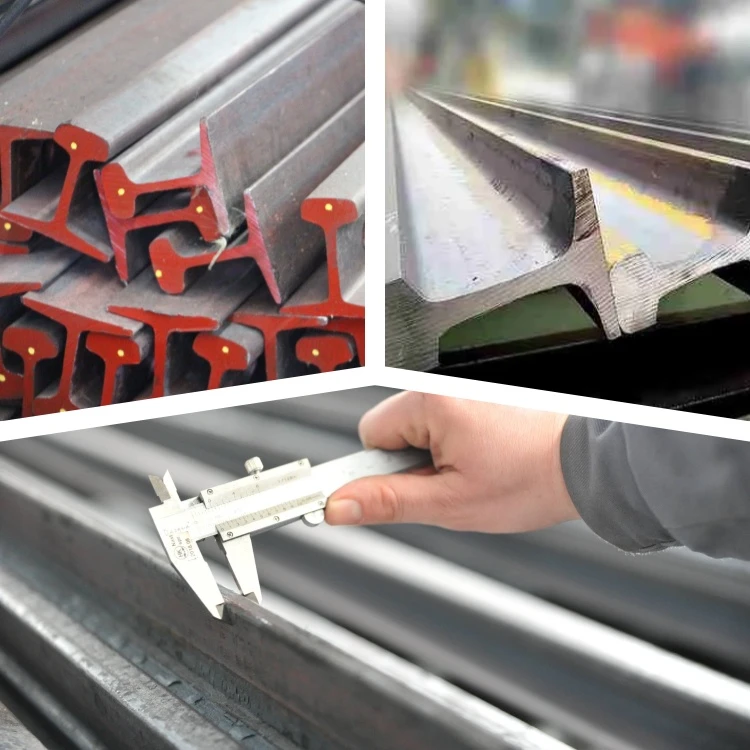
Rail scrapping standards
The standards for scrapping rails mainly include: the longest service life is no more than 30 years, usually about 25 years under normal conditions; the crack length exceeds 15mm; the corrosion depth exceeds 2mm; the rail crown height exceeds the standard; the dynamic gauge exceeds the standard; the rail surface state has obvious cracks, peeling and other defects. These standards ensure the safety and stability of the rails, thereby ensuring the safety of railway transportation.
1. Service life
The service life of the rails is an important indicator in the scrapping standard. Although the maximum service life shall not exceed 30 years, under normal conditions, according to the standard of no more than 1,000 trains per kilometer, the maximum service life of the rails is about 25 years. Of course, this age is not absolute, and it also needs to be comprehensively judged based on the material, working conditions and actual wear of the rails.
2. Crack length
Cracks are another important basis for judging the scrapping of rails. When the length of the crack on the surface of the rail exceeds 15mm, it must be replaced immediately. This is because excessive cracks will seriously affect the structural strength and stability of the rails, thereby threatening driving safety.
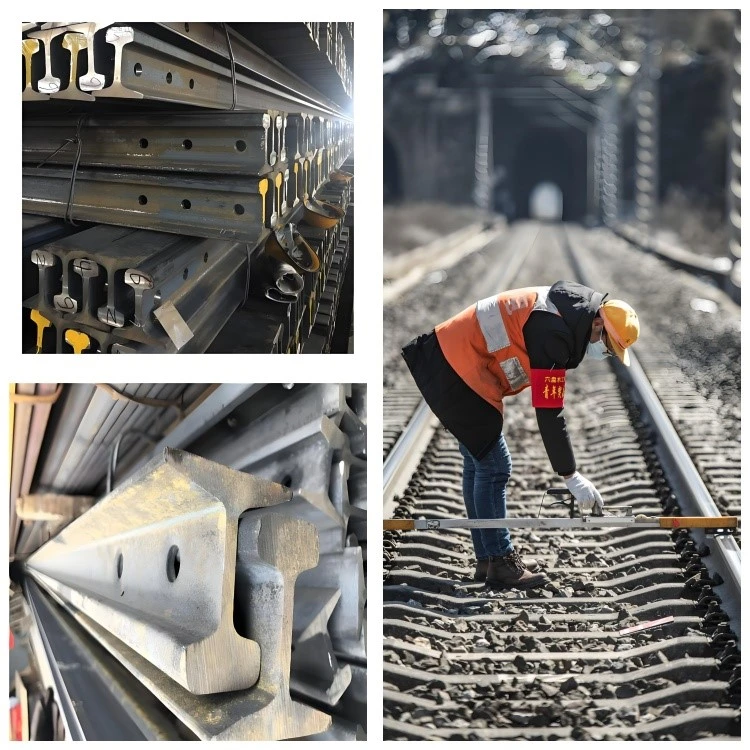
3. Corrosion Depth
Corrosion is also a common cause of rail scrapping. If the corrosion depth of the rail exceeds 2mm, it is necessary to replace the rail with a new one. Corrosion will weaken the bearing capacity of the rail and increase the risk of fracture, so it must be strictly controlled.
4. Other scrapping standards
In addition to the above three main standards, there are some other standards that need attention. For example, if the height of the rail crown exceeds the standard, the dynamic gauge exceeds the standard, and the rail surface state has obvious cracks, peeling and other defects, the rail may be scrapped. These standards are all to ensure that the rails can maintain good working conditions, thereby ensuring the safety and efficiency of railway transportation.
In short, understanding the scrapping standards of rails is crucial to ensuring the safety of railway transportation. In actual application, we need to evaluate and judge according to the specific situation, and promptly discover and deal with abnormal situations to ensure driving safety and transportation efficiency. At the same time, measures such as strengthening rail surface maintenance, adopting anti-skid measures, and regularly checking the state of the rails can also help extend the service life of the rails and ensure driving safety.