


Description
Technical Parameters
Railway Screw Spikes
| Feature | Description |
|---|---|
| Primary Function | To provide a high-strength, vibration-resistant connection between the rail/baseplate and the sleeper (wood or concrete). |
| Common Coatings | Galvanization (zinc coating), Geomet® (a thin, lubricating coating), Black (uncoated). |
| Advantages | Superior holding power and resistance to loosening from vibration; can be removed and re-tightened without significant loss of grip; suitable for both wood and concrete sleepers. |
| Disadvantages | Higher cost than dog spikes; slower installation time; requires more precise drilling (in wood) or specialized sleeper inserts (in concrete). |
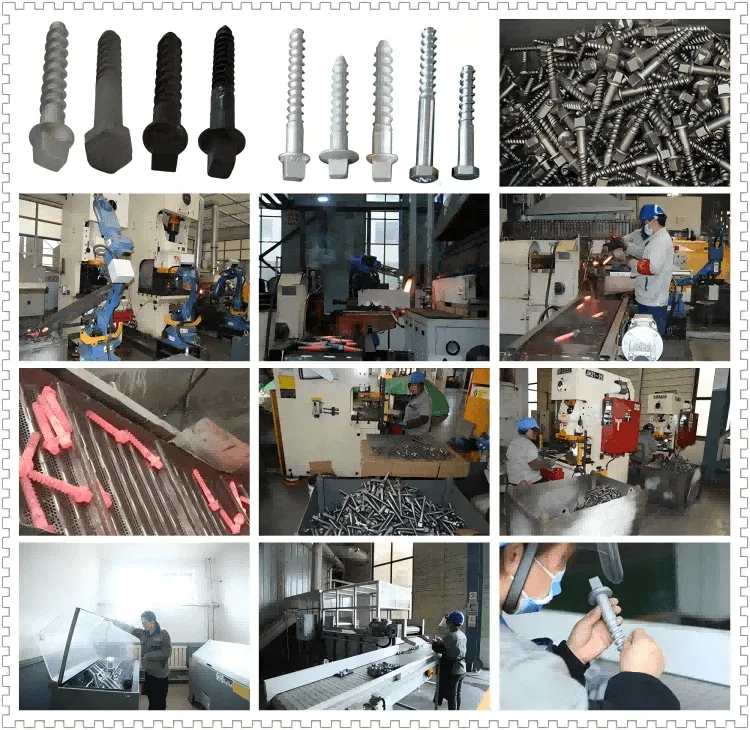
Detailed Specifications & Types Table
This table breaks down the common types of screw spikes based on their application.
| Spike Type / Application | Thread Description | Typical Dimensions | Sleeper Type & Application Notes |
|---|---|---|---|
| Lag Screw Spike (for Wood) | Coarse, deep, wood-cutting thread (similar to a large lag bolt). | Common sizes: e.g., 3/4" x 6", 1" x 7" (Diameter x Length). | Wooden Sleepers. Used in critical areas like curves, bridges, grade crossings, and heavy-haul lines where maximum grip is essential. A lead hole is typically drilled to prevent the wood from splitting. |
| Screw Spike (for Concrete) | Machine-style thread, often with a unique profile (e.g., "B" thread). | Varies widely. Defined by thread diameter (e.g., M24) and length. | Concrete Sleepers. The screw threads into a pre-embedded, plastic or metal insert within the concrete. This is a common fastening system for concrete sleepers globally. |
| Self-Tapping Screw Spike | A cutting tip and thread designed to tap its own hole. | Similar to lag screws. | Wooden Sleepers. Eliminates the need for a separate drilling operation, speeding up installation. Gaining popularity for mechanized track renewal. |
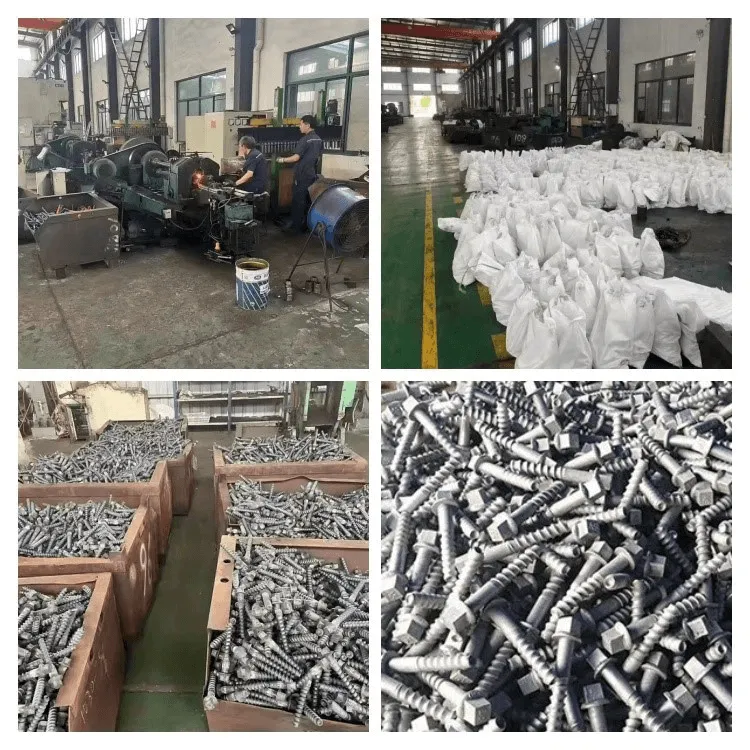
Comparison with Dog Spikes
| Parameter | Dog Spike | Screw Spike |
|---|---|---|
| Holding Power | Moderate. Relies on the crushing of wood fibers. Can loosen over time. | Very High. Relies on mechanical interlocking of threads. Maintains clamp load. |
| Installation Speed | Very Fast. Driven with a few hammer blows. | Slower. Requires drilling (for wood) and a slower screwing-in process. |
| Cost | Low. Cheaper to manufacture. | Higher. More material, complex manufacturing, and higher installation cost. |
| Re-usability | Poor. Once pulled, the hole is often enlarged, requiring a new location or a plug. | Good. Can often be unscrewed and re-tightened in the same hole without significant strength loss. |
| Primary Application | Standard track on wood sleepers with low to moderate traffic. | Critical sections (curves, bridges), heavy-haul lines, and concrete sleeper applications. |
GNEE RAILWAY-professional supplier


Hot Tags: railway track screw spikes, China railway track screw spikes manufacturers, suppliers, factory, strong rail spikes, economical rail spikes, railroad spikes factory, railroad spikes installation, value for money rail spikes, simple install rail spikes


