


How are DIN 5901 S18 steel rails packaged and shipped?
To preserve straightness, protect the pre-drilled joint ends, and optimize container space, DIN 5901 S18 steel rails (18.30 kg/m) are packaged and shipped using strict export-grade packing protocols. Because light rails are slender and prone to lateral bending (warping) during ocean transit, bundling and securing methods are highly standardized.
Export Packaging Specifications (Standard Bundling)
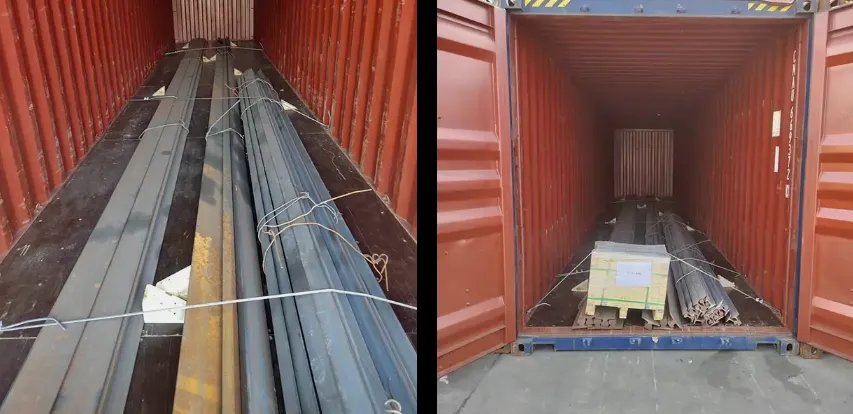
S18 rails are never shipped loose. They are packed into tightly compressed, hexagonal or rectangular bundles wrapped with heavy-duty steel strapping.
- Inverted Layering Layout: To maximize bundle density and prevent the rails from shifting during transit, the rails are packed in alternating nested rows. One layer is placed base-down, and the next layer is placed base-up (interlocking the heads and bases).
- Bundle Weight: Standard bundles are optimized for forklift and port crane handling, typically weighing between 2.0 to 4.0 metric tons per bundle.
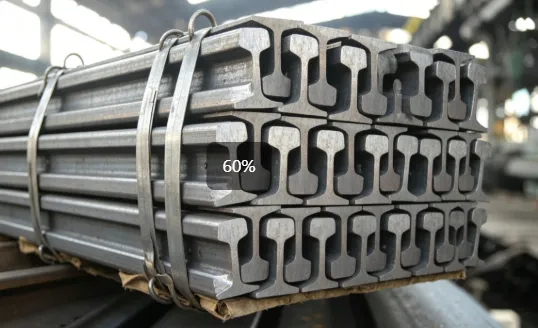
- Strapping Intervals: High-strength steel bands (straps) are tensioned around the bundle at intervals of every 1.5 to 2.0 meters. Under-strap edge protectors (metal or plastic shields) are placed beneath the bands to prevent them from gouging the rail edges.
- Lifting Loops: Each bundle is fitted with 2 to 4 heavy-duty wire rope lifting slings or woven textile slings, allowing port cranes to easily hook and transfer the cargo without damaging the steel profile.
Standard Shipping Configurations & Container Loading
The length of the S18 rail determines the shipping vessel and container configuration. S18 rails are typically ordered in fixed lengths of 6.0 meters, 8.0 meters, or 10.0 meters.
A. 20-Foot GP Container (The Industry Standard for 6m Rails)
For the standard 6.0-meter fixed length, a 20-foot General Purpose (GP) container is the most secure and cost-effective shipping method.
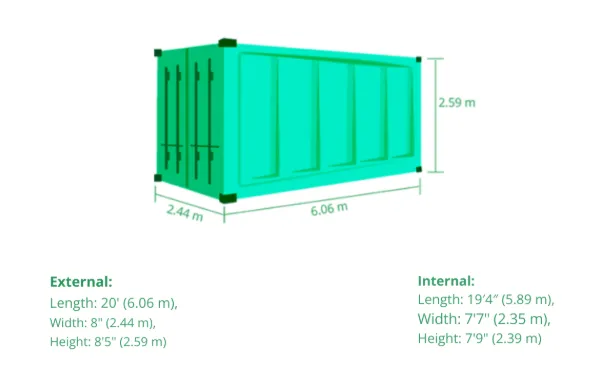
- Capacity: A standard 20-foot container has an internal length clearance of approximately 5.89 meters. To fit 6-meter rails safely, mills apply a precise cut of 5.80 meters to 5.85 meters upon request, or they utilize containers with slightly wider tolerances.
- Max Payload: Total cargo weight is capped around 25 to 27 metric tons per container, meaning one 20ft container can hold approximately 1,360 to 1,470 linear meters of S18 rail.
B. 40-Foot GP Container (For 8m to 10m Rails)
When project layouts require longer rail segments (8.0 meters or 10.0 meters) to minimize the number of mechanical fishplate joints:
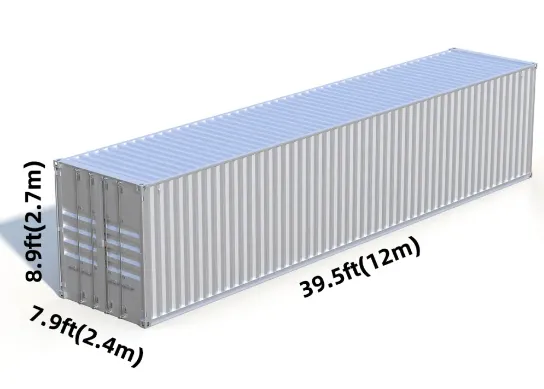
- Loading Layout: The bundles are loaded lengthwise into a 40-foot container. Because the weight is dense but concentrated along the floor, wood blocking and dunnage are packed into the empty end-spaces to prevent the steel from sliding forward or backward during maritime pitching.
C. Bulk Cargo Vessel (For Large-Volume Tonnage)
For major mining or railway infrastructure projects importing hundreds or thousands of tons of S18 steel tracks, shipping via Break-Bulk vessels is preferred over containers. Bundles are stowed directly in the ship's lower hold, supported by heavy timber dunnage to distribute the weight across the ship's framework.
3. Anti-Rust & Environmental Protection
During weeks of sea transit, salt spray and high humidity inside closed ocean containers can cause flash rusting on bare steel surfaces.
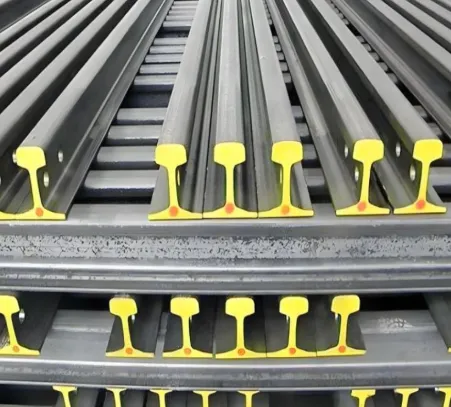
- Surface Varnishing: Unless requested otherwise, S18 rails receive a light factory coating of anti-rust oil or black bitumen paint immediately after cooling and straightening.
- End-Face Painting: The cut ends of the rails (and the areas surrounding pre-drilled fishbolt holes) are often painted with color-coded anti-corrosion primers. This prevents localized rust pitting at the joint surfaces and serves as visual confirmation of the steel grade (e.g., color markings denoting R200 or R260 grades).
- Desiccant Packs: For containerized shipments passing through tropical shipping lanes, industrial moisture-absorbing desiccant bags are hung inside the container walls to suppress condensation ("container rain").
Transport Protection Performance: GNEE RAILWAY RAILWAYL Bundling vs. Standard Bulk Loading
| Logistical Risk Driver | GNEE RAILWAY RAILWAYL Engineered Bundling Framework | Generic Loose Bulk Loading Methods |
| Straightness Retention | High-tensile strapping preserves straightness metrics under deep structural stack pressures. | High risk of permanent bending or lateral warping when mixed with heavier freight. |
| Web Buckling Protection | Protective timber framing completely shields the vulnerable 10.00 mm center web from impact shocks. | Softer loose packing leads to structural web denting and localized cracking during port crane drops. |
| Head Scratches & Pitting | Anti-corrosive coatings preserve the 43.00 mm head width from friction wear and maritime rust. | Bare steel suffers fast surface Oxidation, causing deep pitting that triggers rolling contact fatigue. |
| Fast Handling & Deployment | Integrated lifting loops allow fast port unloading and rapid field placement at underground mine headings. | Disorganized loose rails slow down installation schedules and increase localized manual handling damage. |
FAQ
- How many metric tons of S18 light rails can be securely stuffed into a standard 20-foot container?
A standard 20-foot container can accommodate approximately 25 to 27 metric tons of S18 rails, depending on your target port's legal road weight limits. GNEE RAILWAY RAILWAYL maximizes this payload capacity by calculating precise nest patterns for our 18.30 kg/m bundles, ensuring you receive the absolute lowest ocean freight cost per ton.
- What specific documentation does your factory provide to ensure seamless customs clearance for international rail shipments?
We supply a comprehensive commercial export package, including certified mill material test reports (MTR), commercial invoices, complete packing lists detailing heat numbers, and official bills of lading. GNEE RAILWAY RAILWAYL's extensive international trade history ensures all paperwork complies with your regional import protocols, eliminating costly demurrage delays at destination ports.
- Our mining site features highly restricted offloading crane capacities; can you customize bundle weights?
Yes, our automated packaging line can adjust bundle configurations from small 1-ton packs up to standard 3-ton industrial bundles to match your localized site handling constraints. GNEE RAILWAY RAILWAYL prioritizes your operational boundaries, making sure the delivered track bundles can be moved safely into narrow mine cages or light workshop hoists. Inform our sales team of your crane weight thresholds to customize your bundle sizes before production begins.
- Can you mix S18 rail bundles with matching fasteners, like elastic clips and splice bars, inside the same shipping container?
To optimize your procurement budget, we routinely engineer integrated container layouts that combine S18 track sections with their matching connection hardware. GNEE RAILWAY RAILWAYL utilizes custom-built, heavy-duty wooden crates that are moisture-sealed and structurally secured at the front of the container, preventing loose component shifting even during heavy sea swells.
- What methods does your mill use to stop structural rail bending when unloading long bundles at the delivery port?
We position specialized, high-density timber dunnage blocks at mathematically calculated support intervals beneath every strap boundary.
Get a Quote in 24 Hours
GNEE RAILWAY RAILWAYL delivers certified DIN 5901 S18 steel tracks, complete matching fastener assemblies, and specialized alternative global material standards packed for maximum maritime safety. Our processing facility easily handles precision custom linear cutting, edge chamfering, and pre-drilled joint hole arrays tailored to fit your specific engineering schematics. Please contact our commercial export office today to review official mill material test data, verify container loading limits, and secure a transparent, direct-factory project quotation built to safeguard your infrastructure budget.


