

Choosing the Right Material for JIS 30A Rail
When purchasing JIS 30A steel rails for railway and industrial track projects, selecting the appropriate material grade is essential for meeting technical specifications, operating requirements, and quality expectations.
U50Mn and U71Mn are steel grades associated with Chinese railway steel specifications. Although some suppliers offer these materials for JIS 30A rail profiles, U50Mn and U71Mn are not original material designations under the Japanese JIS standard system. Buyers should distinguish between the rail profile specification and the material grade used to manufacture the rail.
The choice between U50Mn and U71Mn depends on several factors, including chemical composition, tensile strength, hardness, wear requirements, and the applicable material specification.
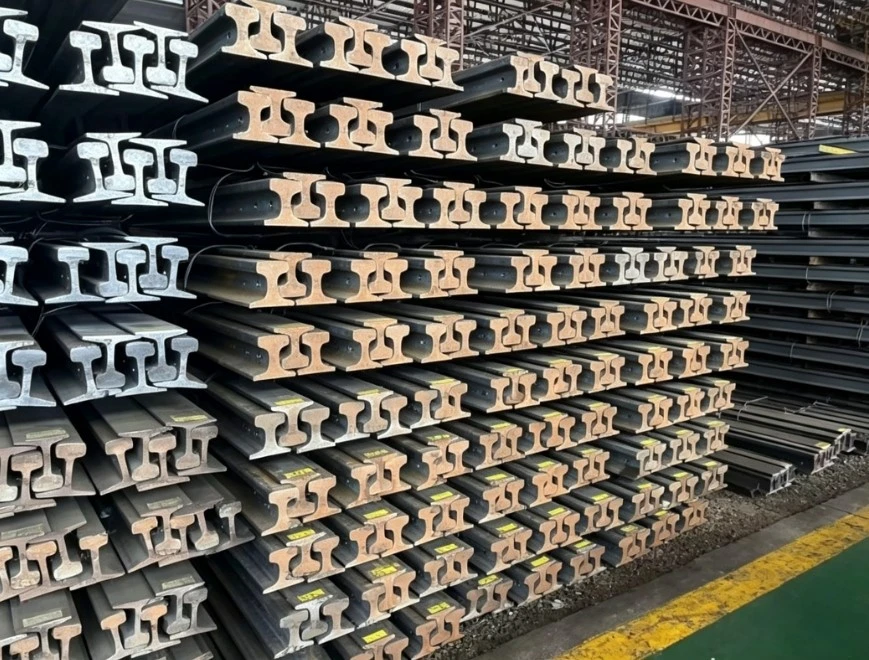
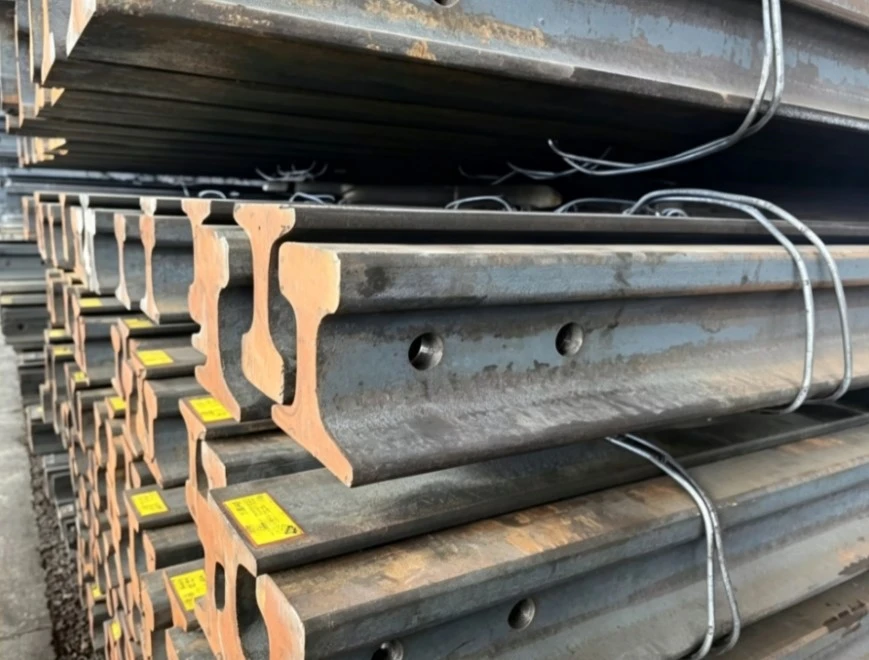
U50Mn vs U71Mn: Key Differences at a Glance
U50Mn and U71Mn are both material designations encountered in railway steel procurement. However, their chemical composition, mechanical properties, and acceptance requirements must be evaluated against the relevant material specifications.
The following table summarizes the main purchasing considerations.
| Comparison Item | U50Mn | U71Mn |
|---|---|---|
| Material designation | U50Mn | U71Mn |
| Standard system | Chinese railway steel designation; applicable specification must be confirmed | Chinese railway steel designation; GB/T 2585-2021 covers U71Mn railway rail requirements |
| Carbon content | Requires verification against the applicable specification | 0.60–0.80 wt.% under the cited specification |
| Manganese content | Requires verification against the applicable specification | 0.70–1.20 wt.% under the cited specification |
| Tensile strength | A value of ≥761 MPa appears in some supplier references; not yet verified as a universal requirement | ≥880 MPa for non-heat-treated rail under GB/T 2585-2021 |
| Elongation after fracture | Requires verification against the applicable specification | ≥10% under the specified test conditions |
| Rail-head hardness | Requires verification against the applicable specification | 260–300 HBW for non-heat-treated rail |
| Rail profile | JIS 30A dimensions and tolerances must be confirmed | JIS 30A dimensions and tolerances must be confirmed |
| Quality documentation | Material certificate and inspection records according to the order requirements | Material certificate and inspection records according to the order requirements |
Important: The U50Mn tensile strength figure is included as a reference reported in some supplier materials, not as a confirmed universal standard requirement. The U71Mn figures refer to non-heat-treated rail under GB/T 2585-2021. These values do not, by themselves, establish compliance with JIS 30A requirements.
For buyers, the most important step is to compare the specified properties of the actual materials being offered. A higher tensile strength alone does not prove that a material will provide better wear resistance or longer service life in every application.
Discuss Your Rail Requirements
Chemical Composition and Mechanical Properties
Chemical composition and mechanical properties provide the technical basis for evaluating railway steel. When comparing U50Mn and U71Mn, buyers should consider the specified limits, material condition, and actual test results.
Chemical Composition
The following table presents reported U71Mn composition limits under GB/T 2585-2021. Values are expressed as mass percentages.
U71Mn Chemical Composition
| Chemical Element | Content (wt.%) |
|---|---|
| Carbon (C) | 0.60–0.80 |
| Silicon (Si) | 0.15–0.58 |
| Manganese (Mn) | 0.70–1.20 |
| Phosphorus (P) | ≤0.025 |
| Sulfur (S) | ≤0.025 |
| Chromium (Cr) | ≤0.15 |
| Nickel (Ni) | ≤0.10 |
| Copper (Cu) | ≤0.15 |
| Molybdenum (Mo) | ≤0.02 |
| Titanium (Ti) | ≤0.025 |
| Vanadium (V) | ≤0.03 |
| Niobium (Nb) | ≤0.01 |
| Aluminum (Al) | ≤0.004 |
| Tin (Sn) | ≤0.03 |
| Antimony (Sb) | ≤0.02 |
These figures are reproduced from technical references for U71Mn under GB/T 2585-2021. The complete standard may include additional restrictions, testing provisions, and acceptance conditions.
For U50Mn, a complete set of chemical composition limits applicable to the specific JIS 30A rail product has not been verified. We therefore do not present estimated values as established standard requirements.
When comparing material grades, use the applicable chemical composition specification for each grade rather than assuming that U50Mn follows the U71Mn limits.
Mechanical Properties
Mechanical properties help determine whether a material meets the specified strength, deformation, and hardness requirements.
U71Mn Mechanical Properties
The following values apply to non-heat-treated U71Mn rail under the cited GB/T 2585-2021 requirements.
| Mechanical Property | Requirement |
|---|---|
| Tensile strength | ≥880 MPa |
| Elongation after fracture | ≥10% |
| Rail-head hardness | 260–300 HBW |
| Hardness variation along one rail | ≤30 HBW |
The hardness requirement refers to the centerline of the top surface of the rail head. The applicable test conditions and delivery condition should be considered when interpreting these figures. Heat-treated rails have separate requirements.
For U50Mn, some supplier references report tensile strength of at least 761 MPa. However, the governing material specification and the corresponding elongation and hardness requirements have not been verified for the specific product discussed here. This figure should therefore not be treated as a universal U50Mn acceptance value.
How Do These Properties Affect Rail Selection?
The main properties serve different purposes:
Tensile strength: Indicates resistance to tensile loading.
Hardness: Helps evaluate resistance to indentation and can contribute to wear assessment.
Elongation: Indicates the material's deformation capacity in a tensile test.
Chemical composition: Helps establish the material grade and its compliance with the relevant specification.
A material with higher tensile strength is not automatically the better choice for every rail application. Buyers should evaluate the complete set of specified properties together with the rail's operating conditions.

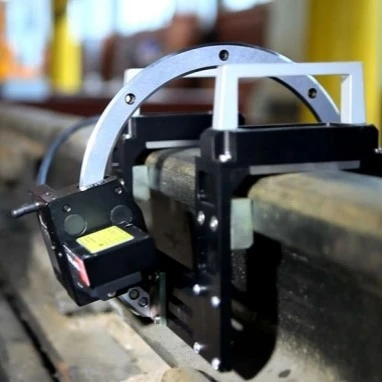
Mechanical Property Testing of Rails
Wear Resistance and Service Performance
The main difference buyers should evaluate between U50Mn and U71Mn is their specified mechanical performance, particularly tensile strength and rail-head hardness.
U71Mn non-heat-treated rail under GB/T 2585-2021 has a specified tensile strength of at least 880 MPa and rail-head hardness of 260–300 HBW. These requirements provide a technical reference when evaluating U71Mn rail for applications where strength and wear performance are important.
For U50Mn, the corresponding hardness requirement and applicable material specification must be established before a reliable numerical comparison can be made.
Which Grade Offers Better Wear Resistance?
U71Mn cannot automatically be considered more wear-resistant than U50Mn based on tensile strength alone. A direct comparison requires the specified hardness values and, where available, comparable wear-test results for both grades.
For projects involving frequent traffic or significant rail-head wear, buyers should prioritize verified hardness requirements and the material condition specified for the finished rail.
Which Grade Offers a Longer Service Life?
The available data does not establish a universal service-life advantage for either grade. Actual rail life depends on the material's verified properties and the operating conditions.
For procurement decisions, compare the required hardness, mechanical properties, and relevant performance evidence against the project's design requirements. This provides a more reliable basis for selecting U50Mn or U71Mn than relying on the grade designation alone.
Applications: How to Select the Appropriate JIS 30A Rail Material
JIS 30A rail profiles may be considered for light railway and industrial track applications, depending on the project design. Material selection should be based on the actual operating requirements rather than assumptions about the grade name.
| Application or Requirement | Key Selection Considerations |
|---|---|
| Light-duty railway tracks | Rail profile, design loads, specified grade, and applicable standards |
| Industrial track systems | Equipment loads, traffic frequency, and wear requirements |
| Replacement rail projects | Existing rail dimensions, material requirements, and connection compatibility |
| Frequent traffic or higher wear demand | Required hardness, mechanical properties, and relevant test evidence |
| Engineering and infrastructure projects | Tender documents, approved drawings, and acceptance criteria |
| Special operating conditions | Impact loading, environmental exposure, and maintenance requirements |

U50Mn vs U71Mn: Practical Selection Considerations
U50Mn and U71Mn should be assessed according to their verified properties and the requirements of the intended application.
The cited U71Mn data specifies a minimum tensile strength of 880 MPa for non-heat-treated rail. This is higher than the 761 MPa figure reported in some U50Mn supplier references, but the figures cannot be treated as a definitive grade-to-grade comparison until the applicable U50Mn specification and test conditions are established.
For projects that explicitly require a particular material grade, follow the approved specification. If alternative materials are permitted, compare their complete technical requirements and confirm that the proposed material is suitable for the rail profile and operating conditions.
JIS 30A Rail Dimensions and Quality Inspection
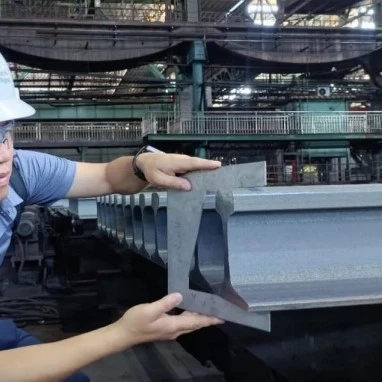
Selecting the correct material is only one part of a successful rail purchase. The finished product must also meet the required rail profile, dimensions, length, tolerances, and inspection criteria.
Confirm the JIS 30A Rail Profile
Before placing an order, confirm the following specifications:
Rail profile: JIS 30A.
Profile dimensions: Rail height, head width, base width, and web thickness.
Rail length: Required standard or custom length.
Quantity: Number of pieces or total tonnage.
Dimensional tolerances: Requirements specified in the applicable product standard or purchase agreement.
Connection requirements: Fishplates, bolt holes, and other interfaces, where applicable.
The rail profile standard and the material specification should be treated as separate technical requirements. A material designation alone does not establish the dimensions or dimensional tolerances of the finished rail.
Material Verification and Quality Documentation
Depending on the project and purchase contract, the following quality records may be required:
| Inspection or Document | Purpose |
|---|---|
| Mill Test Certificate (MTC) | Records material identification and applicable chemical and mechanical test results |
| Chemical analysis | Verifies composition against the specified grade |
| Mechanical testing | Evaluates the specified tensile and other mechanical properties |
| Hardness testing | Checks hardness where required |
| Dimensional inspection | Verifies the rail profile and dimensional requirements |
| Surface inspection | Checks the rail surface against the agreed acceptance criteria |
| Third-party inspection | Provides independent verification when required by the contract |
Material certificates and inspection records should correspond to the actual supplied product and the requirements stated in the purchase order.
Our team can coordinate the required product specifications and quality documentation according to the agreed supply scope.

How to Order JIS 30A Rail – U50Mn or U71Mn
Required Product Information
When requesting a quotation, please provide:
Rail profile: JIS 30A.
Material grade: U50Mn, U71Mn, or the grade specified in your project documents.
Applicable standards: Required rail profile standard and material specification.
Rail length: Required length per piece.
Quantity: Number of pieces or total tonnage.
Dimensional requirements: Drawings, tolerances, or special requirements.
Inspection requirements: MTC, chemical analysis, mechanical testing, hardness testing, or third-party inspection, as applicable.
Packaging and Delivery Requirements
Please also specify the destination port or delivery location, requested delivery schedule, packaging requirements, and any special handling instructions.
For export orders, confirm the agreed shipping terms and the documentation required for delivery and customs clearance.
Final Specification Confirmation
Before an order is finalized, the rail profile, material grade, applicable standards, dimensions, length, quantity, inspection requirements, and delivery terms should be clearly stated in the quotation and order documents.
A complete specification enables us to evaluate the requested supply scope and prepare a quotation aligned with your project requirements.
Why Source JIS 30A Rail from Us?
When sourcing steel rails for railway and industrial projects, buyers need a supplier who understands the importance of product specifications, material verification, quality documentation, and export coordination.
We work with buyers to clarify the required rail profile, material grade, dimensions, and project-specific requirements before the order is finalized.
Our supply discussions can cover:
Product specifications: Rail profile, dimensions, length, and agreed tolerances.
Material requirements: Verification of the specified grade and applicable material standard.
Quality documentation: Material certificates and inspection records according to the agreed order requirements.
Order planning: Quantities, packaging, and delivery arrangements.
Project coordination: Review of technical drawings and special requirements before quotation confirmation.
The available material grades and supply conditions are confirmed according to the specific inquiry and agreed technical requirements.
Contact us with your JIS 30A rail specifications to discuss your project requirements and request a quotation.
FAQ
Q1. What Is the Difference Between U50Mn and U71Mn for JIS 30A Rail?
A: U50Mn and U71Mn are material designations associated with Chinese railway steel specifications, while JIS 30A identifies a rail profile.
The main comparison points are chemical composition, tensile strength, elongation, hardness, manufacturing condition, and the applicable material specification. The cited U71Mn specification gives a minimum tensile strength of 880 MPa for non-heat-treated rail. Some supplier references report a tensile strength of at least 761 MPa for U50Mn, but the latter figure requires verification against the applicable specification.
Q2. Are U50Mn and U71Mn Japanese JIS Material Grades?
A: No. U50Mn and U71Mn are not original material designations established by the Japanese JIS standard system. They are associated with Chinese railway steel grade designations.
If either material is offered for a JIS 30A rail profile, the rail dimensions and the material's compliance with the project requirements must be evaluated separately.
Q3. What Is the Chemical Composition of U71Mn Rail Steel?
A: Under the cited GB/T 2585-2021 requirements, U71Mn has a carbon content of 0.60–0.80 wt.%, silicon content of 0.15–0.58 wt.%, and manganese content of 0.70–1.20 wt.%. The standard also specifies limits for phosphorus, sulfur, and other elements.
The applicable standard and material certificate should be used to verify the complete composition requirements for the supplied rail.
Q4. What Are the Mechanical Properties of U71Mn Rail?
A: For non-heat-treated U71Mn rail under the cited GB/T 2585-2021 requirements, the specified values include:
Tensile strength: ≥880 MPa
Elongation after fracture: ≥10%
Rail-head hardness: 260–300 HBW
Heat-treated rail has separate requirements. The delivery condition and applicable acceptance criteria must therefore be confirmed for the actual product.
Q5. Is U71Mn Always More Wear-Resistant Than U50Mn?
A: No. The cited U71Mn tensile strength requirement is higher than the figure reported in some U50Mn supplier references, but tensile strength alone does not establish wear resistance.
A meaningful comparison requires verified hardness, material condition, and relevant wear-performance data under comparable operating conditions.
Q6. Can U50Mn and U71Mn Be Used for the Same JIS 30A Rail Profile?
A: Potentially, if the required profile can be manufactured and the proposed material meets the project's technical requirements. However, the two grades should not be considered automatically interchangeable.
Confirm the approved drawings, material specification, dimensions, mechanical properties, and any project restrictions before accepting a substitution.
Q7. What Quality Documents Should I Request When Purchasing JIS 30A Rail?
A: Depending on the project requirements, buyers may request a Mill Test Certificate, chemical analysis results, mechanical test reports, hardness records, dimensional inspection records, and third-party inspection reports.
The required documents should be agreed before ordering, and the reported results should correspond to the supplied material and applicable acceptance criteria.
Q8. Can I Order JIS 30A Rail in Custom Lengths and Quantities?
A: Custom lengths and order quantities depend on the available supply arrangements and project requirements.
When requesting a quotation, provide the required length per rail, total quantity or tonnage, destination, delivery schedule, and inspection requirements. Our team can then confirm the available supply options.


