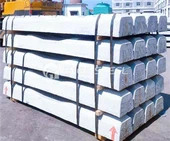
A rail pad is a resilient track component placed between the rail foot and the sleeper or baseplate, designed to distribute wheel loads, reduce vibration, and minimize rail and sleeper wear. It also provides electrical insulation in electrified tracks. GNEE RAIL supplies rail pads in all main standards, including GB light and heavy rail pads, UIC50–UIC60, DIN536 crane rail pads, QU70–QU120, JIS 15KG–CR100, AS1085 31–89 kg, BS11, and AREMA/ASCE 25–175 lb, with services including material customization, pad thickness selection, and installation guidance.
What is a crane pad in construction?
A crane rail pad is a specialized, durable elastomeric (rubber or polymer) strip placed between crane rails and their supporting structure to absorb shock, reduce noise/vibration, and distribute heavy, localized loads. These pads prevent metal-to-metal contact, reducing wear, corrosion, and structural fatigue.
Usage Examples in Construction:

- Industrial Runways: Installed under rails for overhead bridge cranes to reduce structural vibration.
- Port and Harbor Cranes: Used in high-load, heavy-duty applications to stabilize rails.
- Outdoor/Embedded Tracks: Protects rail systems from fatigue and corrosion due to environmental exposure.
- Bridge/Structural Support: Placed on steel sole plates or concrete foundations to even out stress concentration.
Why use rubber to manufacture rail pads?
Rubber is one of the most common materials for rail pads because it offers essential mechanical and protective properties that help maintain track stability, reduce wear, and improve safety. Rail pads are installed between the rail foot and the sleeper or baseplate, and their material must withstand dynamic loads, vibration, and environmental conditions.

| Rubber Rail Pad | ||
| Technical Parameter | Unit | Value |
| Stiffness | KN | 90-130 |
| Hardness Shore A | ℃ | 72-80 degree |
| Electronic Resistance | Ω | ≥ 106 |
| Tensile Strength before Aging | Mpa | ≥12.5 |
| Elongation before Aging | % | ≥250 |
- Vibration and Noise Reduction: Rubber's elastic properties dampen the noise and vibrations caused by heavy-haul or high-speed trains, significantly lowering pollution.
- Impact Absorption and Protection: Acting as a cushion, these pads protect concrete sleepers from mechanical damage and reduce wear between the steel rail and the sleeper.
- Extended Track Lifespan: By absorbing shocks, rubber pads reduce stress on the track structure, which minimizes the need for frequent maintenance and repair.
- Electrical Insulation: Rubber provides superior electrical insulation between the rail and the sleeper, which is crucial for modern signaling systems.
- Durability and Resistance: High-quality rubber (natural or synthetic) resists harsh weather, abrasion, and aging.
What are the application areas of rail pads?
Rail pads (also known as rail rubber pads or, more generally, rail fastening components) are primarily used in, but not limited to, high-speed, metro, and heavy-haul railway tracks to distribute loads, reduce vibration/noise, and protect concrete sleepers. These elastic components, often made of rubber or polyurethane, are installed between the rail and the tie plate or sleeper.
Key Application Areas and Usage Examples:

- Concrete Sleeper Protection: Placed under the rail to prevent abrasion, crushing, and damage to concrete sleepers.
- Vibration and Noise Reduction: Used in urban and passenger railway systems to dampen impact, reducing noise and vibrations to improve passenger comfort.
- Load Distribution: Applied to distribute concentrated loads from train wheels over a wider surface area to minimize stress on the infrastructure.
- Track Fastening Systems: Used with various rail types (e.g., UIC54, UIC60, BS80lbs, BS100lbs) to ensure the stability of the track system.
- Infrastructure Maintenance: Installed to reduce the need for maintenance and prolong the service life of both the rails and sleepers.
As a professional rubber rail pad manufacturer GNEE RAIL can produce various standards of rubber rail pads and other rail fasteners. If you want to build a railway line, do not hesitate to contact us, we can supply all types of rubber rail pads with different materials. If necessary, we can make customized rubber rail pad production.
Click here to obtain the detailed product catalog of GNEE RAIL.